
The assumption most people don’t think about
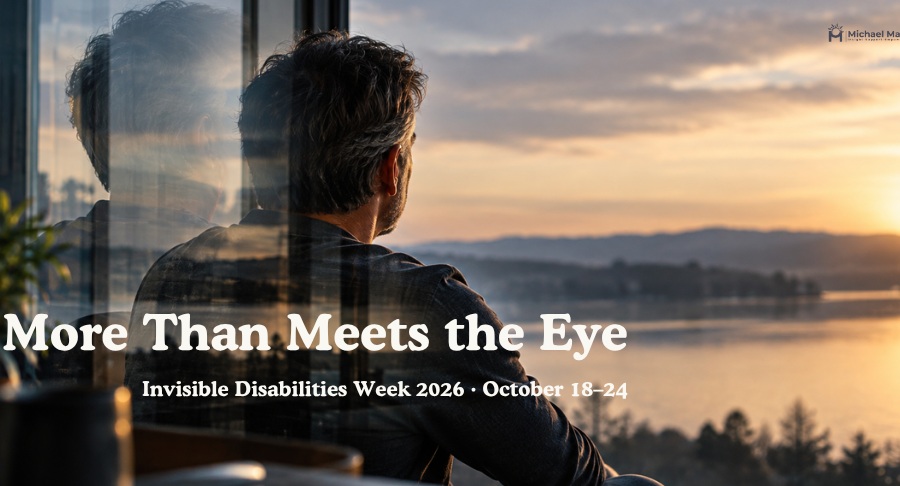
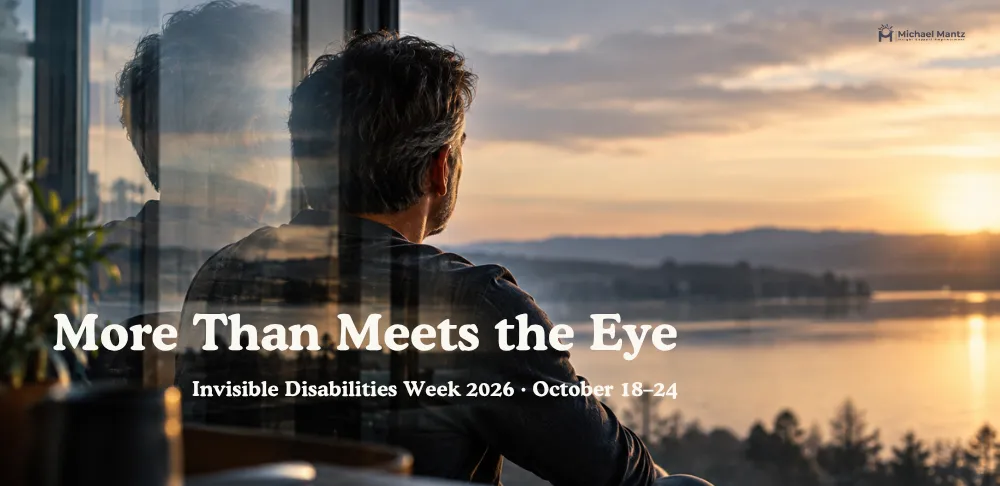
If you and I were sitting together (not at an event or an appointment, just talking), you’d probably hear me say something people rarely think about. One of the most surprising parts of walking differently with Ataxia isn’t just the balance trouble or even the falls. It’s how differently the world responds to what they think they’re seeing.
For most of my life, walking was just walking. I was tall, a bit clumsy, and occasionally unsteady. If I caught my toe or stumbled, I made a joke and kept moving. Because I grew up with it, it never occurred to me that something deeper might be going on. Those hiccups were just part of how I moved through the world.
It wasn’t until years later that I understood other people had been quietly drawing their own conclusions. I didn’t notice it then, or if I did, I didn’t have language for it. But looking back, I remember the small mismatches. A cashier lingering before answering, glances that lasted a little too long, the tone of someone speaking to me like something about me felt “off.” At the time, I shrugged it off. Now, it’s clear: they weren’t confused. They were assuming. And their assumption wasn’t neurological.
I didn’t unravel when I finally recognized that, but it did change how I moved through public spaces. Once you realize people react to you before you’ve said anything, you start catching it everywhere. It’s subtle, but once you see it, you don’t unsee it.
Why Walking Differently Changed How People See Me
Somewhere along the way, I started carrying a walking stick. Not because I need it every minute, but because it removes guesswork. For others and for me. When I’m going somewhere public, especially someplace where interaction is likely, I bring it. The stick says something my movement can’t: “There is a medical reason for this.” It saves me from the questioning stare and the implicit judgment that shows up in silence long before someone speaks.
There’s the work of keeping your balance, and then there’s the work of being understood. They’re not the same thing, and both take energy.
When you move a little differently, you start reading people without even meaning to. You catch the look, the hesitation, the “wait, what’s going on here?” tone. It’s subtle, but once you’ve seen it enough, you recognize it.
At some point, you get tired of managing that for other people. You move the way your body moves and let them figure out whatever story they’re writing in their head. You stop apologizing for existing in your own body.
When Movement Gets Misunderstood
You get used to spotting reactions before people even realize they’re reacting. Not out of paranoia, but experience. You start to recognize the amused glance, the confused pause, or the split-second hesitation in someone’s tone. It’s subtle, but once you’ve seen it often enough, you notice it everywhere.
What’s interesting is that walking differently doesn’t bother me nearly as much as being misread. The physical part is manageable; the assumptions people make are what turn simple interactions into heavier ones.
Eventually, you just get tired of managing other people’s interpretations. You move at your pace, the way your body moves, without apologizing or performing for comfort. You start living inside your own life, instead of arranging yourself around someone else’s understanding of it.
That’s something people in the rare community understand without needing an explanation. Ataxia isn’t just physical – it affects how you walk into a room, how you interact with strangers, and even how you relate to yourself. Most people don’t see any of that. They see the movement, but not the meaning behind it.
Why This Conversation Matters
I write articles like this because someone reading is probably right where I was at one time. Wondering why they’re stumbling more, unsure why people respond oddly, or sensing assumptions. Maybe they haven’t connected any dots yet. Or maybe they’re living the same double-take moments I did, feeling the misunderstanding more than the imbalance.
If that’s you, I hope this gives you more information for something you haven’t been able to name.
When people misread you, it isn’t about you; it’s about what they recognize. Most people understand intoxication long before they understand neurological differences. The assumption doesn’t feel any better just because you can explain it, but knowing why can help.
The walking stick isn’t about weakness. It’s really just a signal. It saves me from awkward stares and “are you okay?” moments. It lets people know something real is going on without me having to explain it. And honestly, half the support it gives is for my head, not my body.
Living with something rare long enough teaches you who gets it, what actually helps, and what you don’t need to explain anymore. If you’re nodding along, you already know the emotional side of mobility people rarely talk about – the strange weight of walking confidently while someone silently decides what you “must be.”
Closing Thoughts
Whether you have Ataxia, another movement condition, or you’re simply noticing changes you can’t quite explain yet, I want you to hear this clearly: your walk tells your story, whether people understand it or not.
You deserve space to move through the world without being misread.
If you want to read more about the early signs, the emotional side of Ataxia, or what it really feels like to live at a different pace, you’ll find more on the blog. You can join the blog community and read more pieces like Living in Slow Motion and The First Fall that Made Me Stop Pretending.
And if you want awareness to feel visible without needing explanation, that’s why I created InspireThread – something real for the rare community to wear, something that reflects strength without a word. Every purchase supports research and keeps the message moving.
Thanks for reading, and if any of this spoke to you, please leave a comment below.