On September 18, the FDA approved a drug called AQNEURSA for ataxia-telangiectasia, a rare, inherited form of ataxia that mostly appears in childhood. It’s the first treatment ever approved specifically for A-T, which is a genuinely big deal. I don’t have A-T myself. I have Spinocerebellar Ataxia type 15, a different condition entirely. But I don’t think that makes this any less worth talking about, and here’s why.
What Actually Got Approved
The drug is levacetylleucine, sold under the brand name AQNEURSA. It’s taken orally and was approved in 2024 for a different rare condition, Niemann-Pick disease type C. This A-T approval is its second use, not a brand-new drug built from scratch, which matters because the company already had real experience bringing this compound through the FDA once before.
The trial behind it was solid. Seventy-three people aged 4 and older, all with confirmed A-T, were split into treatment and placebo groups. Researchers compared the results head-to-head, and 70 completed the trial. The results held up: people on the drug improved by nearly two points on the standard scale doctors use to measure ataxia severity, and the improvement appeared quickly, within just 12 weeks. The side effects were manageable too, mostly falls, minor skin issues, and urinary tract infections, none of which stopped anyone from finishing the trial.
For a community that had exactly zero approved treatment options before this, that’s worth celebrating. Full stop.
Why This Still Isn’t My Drug, and That’s Okay
Here’s the thing about ataxia that most people don’t realize until they’re living with it: it isn’t one disease. It’s a whole family of conditions that share many symptoms, including trouble with balance, coordination, and speech, but stem from completely different genetic roots. A-T traces back to mutations in the ATM gene. My SCA15 comes from somewhere else entirely. So a drug built specifically for one doesn’t transfer to the other.
That’s not a letdown. It’s just how this works, just as a treatment for one type of cancer doesn’t automatically help with another. What matters is what happens next.
Why This Still Matters for the Rest of Us
This is where it gets interesting, and honestly, it’s the part that gets me excited every time something like this happens. IntraBio, the company behind AQNEURSA, isn’t stopping at A-T. According to Ataxia UK’s updates, they’ve already begun recruiting for a new trial testing a related compound for CACNA1A-related disorders, which include SCA6 and episodic ataxia type 2.
Think about what that actually means. A company spent years proving that this entire class of drug works safely and effectively for one specific, narrowly defined type of ataxia. Now they’re turning that same science toward a different one. SCA6 isn’t my SCA15, but it’s part of the same spinocerebellar family, and that’s no small thing. It proves progress in this space doesn’t stop once it reaches one finish line. It keeps moving and often goes further than anyone expects at the time.
That’s really what I believe every time one of these stories comes across my feed. Progress anywhere in ataxia research is good news for all of us because the tools, the funding, and the trust built with the FDA don’t disappear once the approval letter goes out. They become the foundation for the next trial.
This Isn’t the First Time I’ve Felt This Way
I wrote back in August about early research from St. Jude on scientists working to reactivate a silenced gene in Friedreich’s ataxia. That one’s still years away from anything resembling a treatment people can actually take. This story is the opposite: a drug that’s already approved and already reaching real patients. Different stages, same underlying reason to pay attention: this field keeps building on itself in ways that aren’t always obvious from the outside.
I think about the backpack study too, the one using gyroscopic tech to help with trunk-based balance issues. None of these individual stories are about SCA15 specifically. But stacked together, they’re exactly why I keep reading about treatments that technically aren’t mine yet. Today’s breakthrough for someone else has a real shot at becoming tomorrow’s breakthrough for me or for the next person reading this who’s waiting for their own version of good news.
What I’m Actually Taking from This
A win for A-T isn’t a win for SCA15, at least not yet. I want to be honest about that rather than oversell it, because the A-T community earned this one on its own and deserves to be celebrated as exactly what it is. But I also don’t think honesty and hope have to cancel each other out here. Every approved drug proves something that outlasts its label: the science works, a company can get a rare-disease treatment through the FDA, and betting on this kind of research actually pays off. That proof is exactly why the CACNA1A trial exists.
I don’t know if this particular drug will ever reach SCA15. Nobody does yet, not even the researchers running the next trial. But I know none of this would be happening without AQNEURSA clearing the path first. That’s more than enough reason to keep paying attention and to feel genuinely hopeful about news that isn’t, technically, about me yet.
A Few Questions People Ask About This
Does AQNEURSA treat other types of ataxia? Not yet. It’s currently approved specifically for ataxia-telangiectasia. A related compound is in trials for CACNA1A-related disorders, including SCA6, but that’s a separate, ongoing study, not an approved treatment.
Is this the same company behind the Friedreich’s research you covered before? No, it’s a different company. The Friedreich’s gene-silencing research came out of St. Jude Children’s Research Hospital. AQNEURSA is made by IntraBio.
Why should I care about a drug for a type of ataxia I don’t have? Because approvals like this one build the case and the funding for testing related treatments in other ataxia subtypes, exactly as IntraBio’s next trial is already doing. Progress in this field rarely stays confined to where it started.
Stay Connected
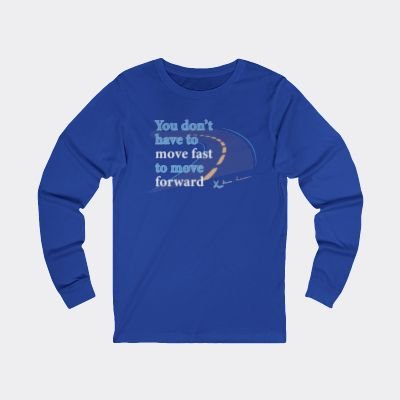
Fall means long-sleeve weather, and if you want something that captures this whole idea in one line, the “You Don’t Have to Move Fast to Move Forward” long-sleeve tee says it better than I just did. Join the community for more research updates as they happen, including earlier coverage of the Friedreich’s gene-silencing research and the space-tech backpack built for ataxia-related balance issues. A portion of every InspireThread sale goes toward rare disease research.
Source: Global Genes, “FDA Approves IntraBio’s Aqneursa for Ataxia-Telangiectasia,” September 18, 2026