
Let’s discuss something we all experience but often brush aside—stress. It’s that buzzing tension in the back of your mind or the knot in your stomach when life overwhelms you. But have you ever considered what stress does to your body, especially your brain?
Using Kelly’s article “Turn Stress On Its Head: How Stress Affects Our Brain,” let’s discuss stress: what it is, how it impacts us, and, most importantly, how we can control it.
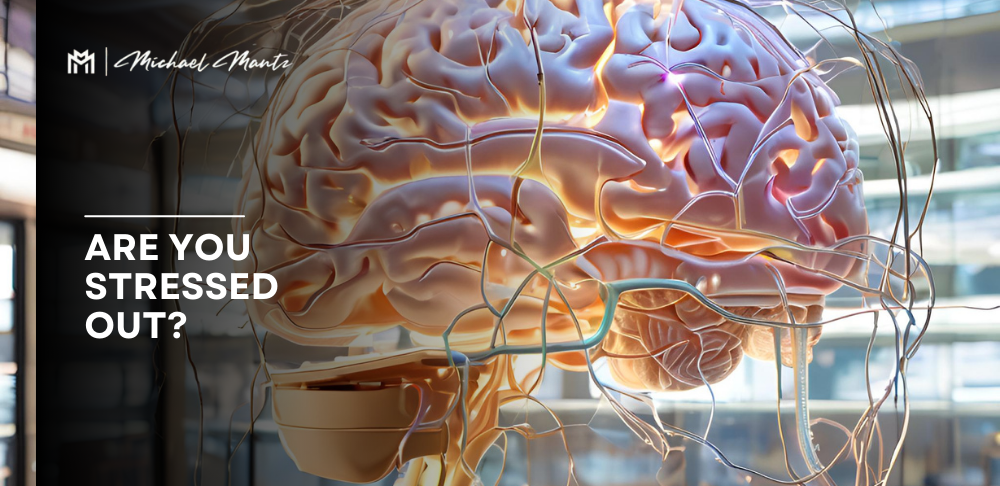
Are You Stressed Out? Recognizing the Signs
First, how do you know if you’re stressed? For some people, the signs are clear: feeling frazzled, overwhelmed, or on edge. Your muscles might tense up, or you could snap at people over small things. But stress isn’t always that obvious.
Did you know chronic stress can show up in more subtle ways? Exhaustion, digestive issues, and unexplained body aches are just as much a part of the stress equation. If you feel drained every day, even after a solid night’s sleep, your body might be waving a red flag. This could point to something deeper—stress-induced adrenal overload.
Your Adrenal Glands: Stress Responders
Your adrenal glands are two little powerhouses on top of your kidneys. Often called the “stress glands,” they produce cortisol and other hormones that kick into gear when life gets tough. Think of them as part of your body’s emergency response team.
These glands handle stress and regulate metabolism, influence immune responses, balance hormones, and even play a role in cognitive functions. In short, they’re essential to keeping your body running smoothly.
But when stress becomes chronic, your adrenal glands can get overwhelmed. This creates a domino effect: your metabolism slows, your immune system weakens, and your brain’s cognitive functions take a hit.
The HPA Axis: The Brain-Stress Connection
Here’s where it gets a bit technical but also thought-provoking. The adrenal glands are part of the HPA (hypothalamic-pituitary-adrenal) axis, which manages how your body responds to stress. Think of the HPA axis as the command center of your stress response.
When you encounter stress, the HPA axis signals your adrenal glands to release cortisol. This hormone helps your body manage the immediate “fight or flight” reaction. But when stress sticks around, the HPA axis stays in overdrive, flooding your system with cortisol and throwing everything off balance.
How Stress Impacts the Brain
Chronic stress doesn’t just affect your body—it greatly impacts your brain. High cortisol levels can shrink the hippocampus, a part of the brain responsible for memory and learning. Over time, this can make it harder to concentrate, process information, or even recall simple facts.
Stress can also increase activity in the amygdala, the part of the brain that regulates fear and anxiety. This makes you feel more on edge, creating a cycle of stress that’s hard to break.
What You Can Do About Stress
So, how do we turn the table on stress? The good news is it’s not all doom and gloom. There are practical, achievable ways to manage stress and even reverse some of its effects.
- Get Moving: Physical activity is one of the best ways to lower cortisol levels. Whether you go for a brisk walk, do yoga, or dance in your living room, moving your body helps reset your stress response.
- Breathe Deeply: Deep breathing exercises can calm the HPA axis and lower cortisol production. Take a few minutes daily to inhale deeply through your nose, hold your breath, and exhale slowly.
- Prioritize Rest: Sleep is when your body repairs itself, including your adrenal glands. Aim for consistent, quality sleep to help reset your stress levels.
- Stay Connected: Sharing your worries with a friend, family member, or even a support group can do wonders for stress relief. Sometimes, just being heard makes all the difference.
- Eat Stress-Reducing Foods: Incorporate nutrient-rich foods into your diet, like leafy greens, nuts, and berries. These can help balance hormones and boost overall well-being.
The Power of Awareness
Managing stress starts with awareness—knowing the signs, understanding the impact, and taking steps to protect your health. Kelly emphasizes stress doesn’t have to control you.
Let’s Keep the Conversation Going
Stress is universal, but how we handle it makes all the difference. Have you found ways to manage stress that work for you? Whether you exercise, meditate, or simply take time for yourself, I’d love to hear your story.
Kelly deserves credit for sharing this educational article. If you want to share your story or thoughts, join our community today. Let’s work together to build healthier lifestyles and raise much-needed awareness of ataxia.