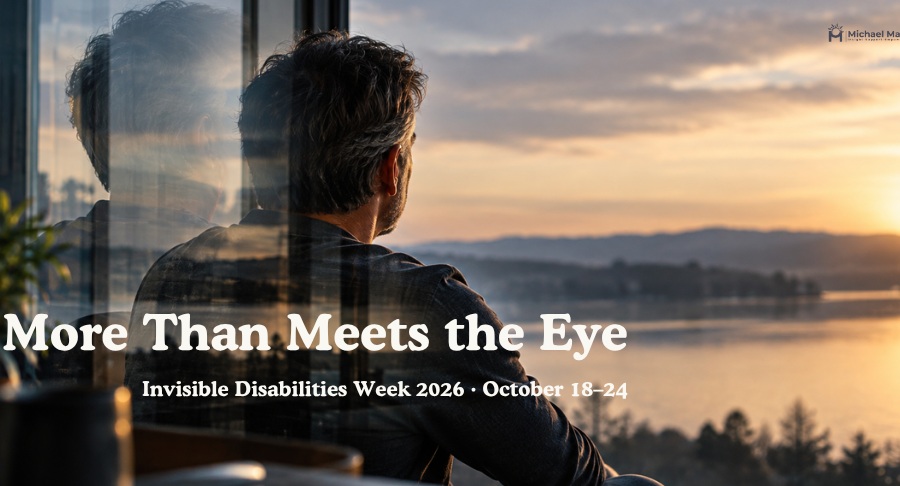

What if the toughest battles people face are the ones you can’t see?
When we think of disabilities, we usually picture things we can see, like someone in a wheelchair or with a guide dog. But what about the ones you can’t see right away? That’s where ‘Invisible disabilities’ come in.
Defining Invisible Disabilities
Invisible disabilities are like a secret. People can’t see them, so they might not understand what you’re going through. But that doesn’t mean they’re not real or don’t affect your life.
For example, someone with chronic pain might look fine on the outside, but they’re battling a lot on the inside. These conditions can make it hard to do everyday things and can affect your mood.
Living with an Invisible Disability
One of the most challenging parts of living with an invisible disability is managing other people’s expectations. Because you “look fine,” you might be expected to perform at the same level as everyone else. People might not understand why you need extra time to do something, why you need to sit down more often, or why you cancel plans at the last minute. This can be incredibly frustrating for someone who’s doing their best to manage their condition.
I can relate to this personally. As someone living with Ataxia, there are good days and bad days. Some days, I can move about just fine. On other days, my coordination and energy are low, and simple tasks feel like monumental challenges. It’s not always apparent to others when I’m having a tough day, which can lead to misunderstandings or frustration.
This is why raising awareness about invisible disabilities is so important. If more people understood that not all disabilities are visible, we could create a more inclusive and supportive environment for those living with these conditions.
The Impact of Invisible Disabilities on Daily Life
Imagine trying normal activities like walking upstairs or going to the grocery store, but it feels like climbing a mountain. That’s what it’s like for people with invisible disabilities. They might look fine on the outside, but on the inside, they’re fighting a battle that most people don’t see.
How do you plan your day when you never know when you might feel exhausted? People with chronic fatigue syndrome must do this all the time. It’s like walking on eggshells, always wondering when the other shoe will drop.
Or how about feeling terrified of going to parties or talking to strangers? People with social anxiety live with this struggle. It’s like having a spotlight on you all the time, making even the simplest conversation feel like a big deal.
And then there’s Ataxia, which is like having your body betray you. People with Ataxia might find it hard to walk, talk, or even do simple chores. It’s like climbing a mountain daily, even when trying to get through the day.
The worst part is that these conditions are unpredictable. You might feel fine in the morning, but you’re feeling terrible by afternoon. It’s hard to make plans or stick to commitments when you don’t know what your body will do next. This can take a toll on your relationships and make everyday life a constant uphill battle.
Misunderstanding and Judgment
Another tough part of living with an invisible disability is the misunderstanding that comes from others. People may not believe you, or worse, they may think you’re exaggerating your symptoms. There’s a common phrase many people with invisible disabilities have heard at least once: “But you don’t look sick.”
People with invisible disabilities deal with this all the time. It’s frustrating and can make you feel isolated. It’s like you’re stuck in a world where people don’t understand what you’re going through.
How to Support Someone with an Invisible Disability
So, how can you support someone who has an invisible disability? First, it starts with empathy and understanding. Remember that just because you can’t see someone’s challenges doesn’t mean they don’t exist. Avoid making assumptions based on appearances and be open to listening to what someone says about their condition and their needs.
Here are a few ways to offer support:
- Ask, don’t assume: If someone shares that they have a condition, don’t jump to conclusions about what they can or can’t do. Instead, ask them how you can support them.
- Be patient: People with invisible disabilities may need more time to complete tasks, may need to take breaks, or might need to cancel plans unexpectedly. Patience and understanding go a long way.
- Learn more about their condition: Taking the time to learn about their specific challenges can help you better understand what they’re going through.
- Respect their boundaries: Everyone manages their condition differently, and what works for one person may not work for another. Respect the boundaries they set to protect their health and well-being.
Invisible Disabilities and Advocacy
One of the best ways to create change is through advocacy. The more people speak out about their experiences with invisible disabilities, the more awareness is raised, and the better-equipped society becomes to understand and support these individuals.
Advocating for yourself or others with invisible disabilities might mean educating those around you about the realities of your condition, challenging assumptions, and pushing for more inclusive environments—whether that’s in the workplace, schools, or public spaces.
Many organizations, including those focused on Ataxia, are crucially raising awareness about invisible disabilities. Through advocacy, we can help break down the barriers of misunderstanding and create a world where everyone, regardless of whether their disability is visible or not, feels seen, heard, and supported.
Conclusion
Just because someone doesn’t look sick doesn’t mean they’re not struggling. Invisible disabilities are real, and people living with them deserve our understanding and support.
So, the next time you meet someone who has a condition you can’t see, take a moment to listen. They might be dealing with a lot, even though it doesn’t show on the outside. Let’s be more understanding and create a world where everyone feels included, no matter what they’re going through.
Please share your thoughts and comments on this or any other article. And if you would like to get involved and share your experience with Ataxia, don’t hesitate to contact us. Join Our Community today, where we empower you to build a healthy lifestyle and raise your overdue ataxia awareness. Experience transformative storytelling and share your story to inspire positive change.