
Balance is one of those things you never really think about. Walking across a parking lot, stepping off a curb, and moving through a crowd… your body just handles it. Thousands of little adjustments are happening every minute, and they stay completely in the background. You don’t notice them because, honestly, you’ve never had a reason to.
If you actually stop and think about it, it’s kind of remarkable. The system works so well that it disappears into the background. Until it doesn’t.
The change rarely shows up in some dramatic way. Maybe your foot catches on a rug, or you make a turn too fast, and lose your balance. One day, someone casually asks about the way you’re walking, and the comment sticks with you longer than it should.
On their own, none of those moments mean much. Everyone has clumsy days.
But when those little moments start piling up, something shifts. You start noticing things that used to run completely on autopilot. Balance stops being invisible, and you start paying attention to it.
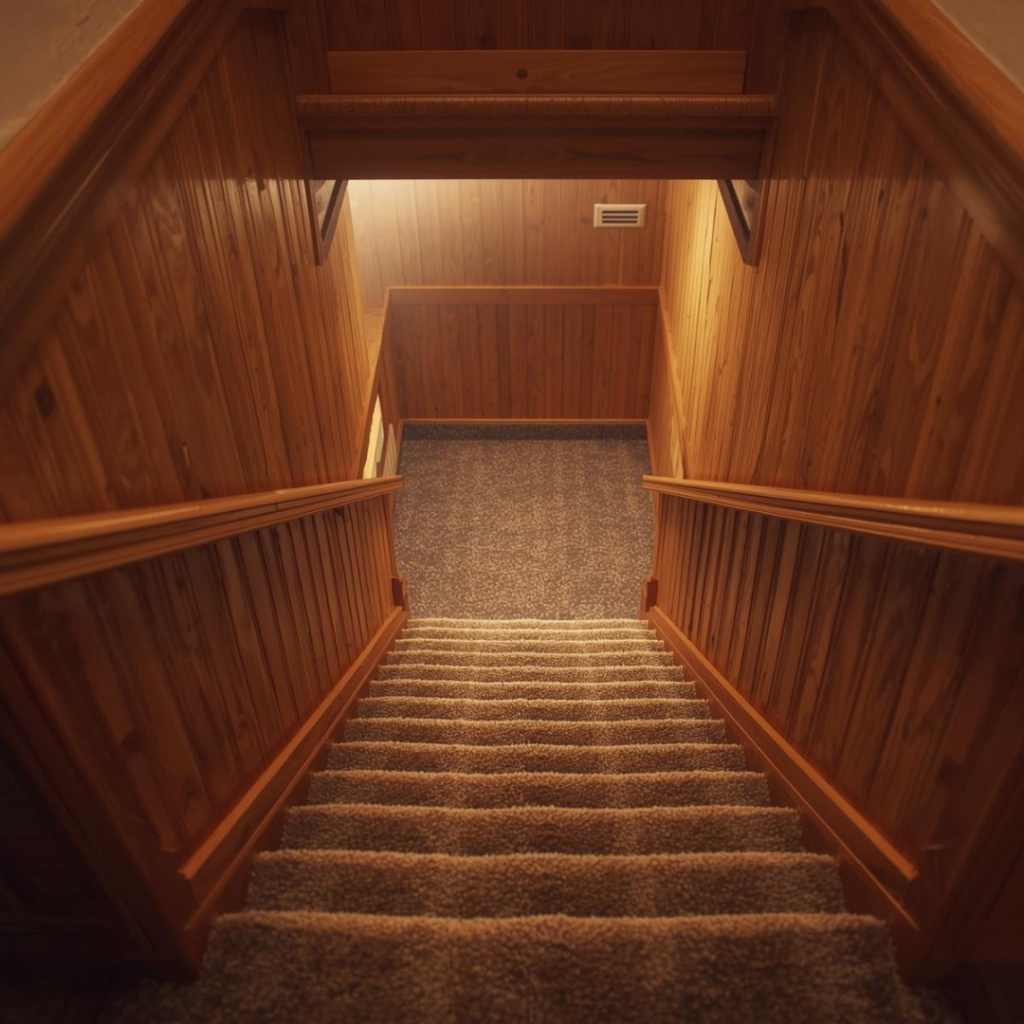
One of my earliest memories is the stairs at home. Three sets of them, which meant plenty of chances to make a game out of it. That small thrill of trying to go fast. But my feet never quite kept up with what my mind wanted. There was always a slight lag between intention and movement.
At the time, I assumed it was just part of being tall, awkward, or whatever you want to call it. Something I’d grow out of once I finally grew into my body.
It would take another two decades before anyone gave that lag a name.
How Balance Actually Works and Why You Never Had to Think About It
Balance isn’t just one sense. It’s the inner ear, your vision, your muscles and joints, and your brain, all working together to keep you upright. Most people go their entire lives without thinking about any of it.
Carrying groceries up a staircase, walking over uneven pavement, glancing at your phone while crossing a busy sidewalk… your body handles it all, adjusting with every step and never once asks you to pay attention.
So, when you finally start noticing it, it feels a bit strange. Not because something suddenly broke, but because something your body handled in the background has come into view.
And once that happens, you can’t really go back to not seeing it.
How Balance Changes Make You See Your Environment Differently
Sidewalks start to look different once you begin paying attention. The slight rise where tree roots push up under the pavement. The half-inch gap between two slabs of concrete. A parking lot slope that had always been there but somehow never registered before.
None of it changed. What changed is that you now notice it.
The same thing happens indoors. Staircases start revealing details that used to blend into the background, like the space between the steps, the height of the railing, and how shadows fall across the edges at night. In crowded rooms, you begin watching movement more closely, noticing the steps and sudden stops of others – something never considered before.
I wouldn’t say it is fear. It’s more about adapting.

Our brains now start gathering information earlier than before. Small details that never mattered before suddenly do.
The world is the same. But the way you move through it is different.
The Invisible Adjustments People with Balance Issues Make Every Day
Without consciously deciding, our brains constantly perform background assessments throughout the day. When you walk into a room, you scan the layout before stepping forward. Unfamiliar spaces are checked for railings, solid surfaces, and clear paths. You adjust your position in a crowd automatically, without thinking.
None of this can be seen from the outside. Movement seems normal. What’s hidden is the layer of awareness underneath, the constant, low-level effort of navigating a world that now requires more focus.
For people living with movement conditions like Ataxia, this awareness eventually stops feeling like extra effort. It just becomes the baseline. You choose seats based on how easy they are to stand from. You scan a room when you walk in. Some environments get flagged as ones that require more focus, others as ones where you can actually relax a little.
Most of those adjustments look like ordinary choices to anyone watching. What they don’t see is the awareness behind them. Something I’ve written about in Walking Differently Isn’t the Hard Part — Being Misread Is.
Adapting to Balance Changes Is a Skill, Even When It Doesn’t Feel Like One
Adaptation sounds dramatic from the outside. A decision made, a challenge faced, a turning point crossed. In reality, it’s usually quieter than that.
Your body tries something, adjusts, tries again. Each time adds a little more information about how to move through the world safely. Over time, that heightened awareness starts becoming instinct. You stop analyzing every step.
What started as a gap, that lag between intention and movement, slowly becomes something else. Not a limitation you’re working around, but a different way of paying attention. One that’s actually yours now.
Most people never need to develop it. They simply go through life without giving it a second thought.
What Balance Changes Actually Teach You Over Time
It’s easy to think change happens suddenly, like a fall, a clear sign that leaves no doubt. However, real change often happens earlier and more quietly, through a buildup of small observations before anything noticeable occurs.
Surfaces, lighting, space, movement… elements that once stayed in the background come to the forefront. Balance is no longer invisible. Over time, the awareness driven by necessity evolves into something different. A sharper focus on physical space and a way of interpreting the world that most people never need to develop.
Not a limitation. A different kind of knowledge.
—-
If you’re navigating life with a condition that requires ongoing adaptation, you’re not alone. Join the community at michaelmantz.com for honest reflections on resilience, independence, and life beyond symptom management. And if you’re looking for something that reflects that experience, explore InspireThread, where a portion of the proceeds supports Ataxia research and awareness.