

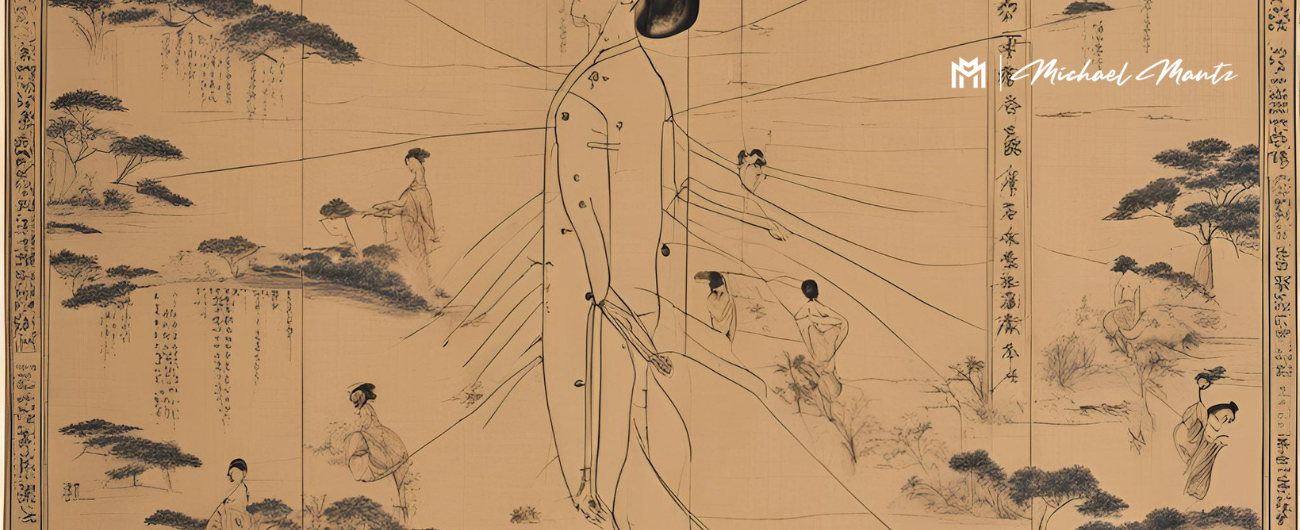
“Can an ancient practice like acupuncture make a difference for modern neurological conditions like Ataxia?”
Acupuncture has been around for thousands of years and is a key part of traditional Chinese medicine. In recent years, it has gained recognition in the modern world as a valuable therapy. This practice has been used to treat pain and stress and even improve general well-being. But did you know acupuncture can also help with neurological conditions like Ataxia?
I have written about this subject before, Acupuncture article, and I think it’s a good time for a refresher. If you or someone you know lives with a neurological disorder, acupuncture might offer benefits that could improve your quality of life in ways you hadn’t considered.
What is Ataxia?
Before I get into the main subject, let’s explain Ataxia again. Ataxia is a group of disorders affecting coordination, balance, and speech. These symptoms happen because parts of the nervous system, particularly the cerebellum, are damaged. This condition can be caused by various factors such as genetics, head trauma, stroke, or even degenerative diseases. The symptoms can range from mild to severe, affecting everyday activities and mobility.
For those of us living with Ataxia, maintaining quality of life is often the focus. Since it’s a progressive condition in many cases, treatments try to slow down progression and manage symptoms. This is where acupuncture can become a helpful tool.
How Does Acupuncture Work?
Acupuncture involves inserting very thin needles into specific points on the body to stimulate nerves, muscles, and connective tissue. The goal is to increase blood flow and trigger the body’s natural painkillers. This may sound simple, but acupuncture has complex and powerful effects on the body, especially when treating neurological conditions.
From a Western medical perspective, acupuncture promotes balance in the nervous system. It is thought to help restore the body’s natural balance, which can be upset by conditions like Ataxia. On the other hand, from a traditional Chinese medicine viewpoint, acupuncture helps to regulate the flow of Qi (energy) in the body, focusing on imbalances that lead to health issues.
Acupuncture’s Benefits for Neurological Conditions
Maybe you are asking yourself, “How exactly does acupuncture help with something as specific as Ataxia or other neurological conditions?” Research has shown that acupuncture can positively affect brain activity, nerve function, and muscle coordination, making it a promising complementary treatment for conditions that affect the nervous system.
And let me give you my own experience:
I have SCA 15, and I struggle with balance, coordination, speech, and, occasionally, tremors. A couple of years ago, I was looking for more treatment options. I started researching Eastern medicine, and much of the information pointed me to acupuncture and herbs. So, I went to my insurance website to find a place that works within my network. As I researched, I found a person who had studied under some of the best movement specialists. I decided to give that a try. And SO glad I did!!
It took a few months of weekly appointments, but I noticed changes. I felt like my internal nerves were calming down, and my physical therapist was the first to notice my balance and coordination improvements. At that point, I knew I had found something that could help and be added to my treatment plan.
This didn’t just help with the movement disorder; it has also helped with my pains. You see, I also have Ankylosing Spondylitis (AS.), which is a chronic autoimmune disease that causes inflammation in the spine and other joints, leading to pain and stiffness.
I had intense hip pain after a very long road trip. Spending more than 20 hours in a car over a few days does not help! (I will get into the subject of this trip in a later article and my upcoming book.) But for now, let me describe what it felt like. The pain was running down to my toes, and it almost felt like my leg could have fallen off. No matter what I did, I could not get it to feel better. So, I set up an appointment.
She put needles all around my hip, leg, and lower back. My muscles were jumping and twitching at almost every point, but I could feel the energy working. I knew it would be extremely painful that day when she placed the needles, but I was hoping it would have an impact soon. I woke up the next morning, and the pain was probably down by 50%. Based on that and wanting to get a jump start on healing, I set up another appointment for this week.
I returned on Tuesday, and she repeated the process with even more focus on the worst points. Again, I had increased pain that night, but when I woke up yesterday, the pain had again improved. I have to do more at-home stretching and gym work, but I would not have this level of improvement without acupuncture.
Here’s how acupuncture can help with neurological conditions like Ataxia:
Improved Coordination and Balance: One of the primary symptoms of Ataxia is difficulty with coordination and balance. Acupuncture targets specific points that help regulate nerve signals and improve muscle control. By calming overactive nerves and promoting better communication between the brain and the body, acupuncture can help improve balance and movement.
Pain Relief: Chronic pain can be a side effect of many neurological conditions. Acupuncture reduces pain by stimulating the body’s natural pain-relieving chemicals, like endorphins.
Living with Ataxia, which affects coordination, puts extra strain on muscles and joints. Over time, this leads to chronic pain, and acupuncture offers a non-drug alternative for managing this.
Reduced Muscle Spasms and Tension: People with neurological disorders experience muscle spasms or tightness. Acupuncture can help relax muscles by promoting circulation and improving the body’s energy flow.
This relief can increase mobility and comfort, especially with physical therapy or other rehabilitation exercises.
Enhancing Mental Clarity and Reducing Fatigue: Neurological conditions don’t just affect the body; they also take a toll on mental health. Many people with Ataxia experience fatigue, brain fog, or even depression because of the condition’s progression. Acupuncture can have a calming effect on the nervous system.
Boosting Overall Well-Being: Living with a chronic condition like Ataxia can lead to a lot of emotional strain, which can make symptoms feel worse. Acupuncture often improves overall well-being by balancing the body’s energy and reducing stress levels. This holistic approach helps individuals feel better mentally and physically, making it easier to cope with the day-to-day realities of a neurological condition.
It’s about more than symptom relief—feeling good again and finding balance in the body and mind.
What the Research Says
Some studies look promising, but there’s still a lot to discover. Acupuncture has been found to help improve neurological symptoms in patients with multiple sclerosis (MS), Parkinson’s disease, and stroke recovery, which all have some similarities with Ataxia in terms of affecting the nervous system.
Some studies suggest acupuncture might help with Ataxia. People who tried it said they felt better movement, less pain, and more relaxed. But we need more research to be sure. If you’re thinking about acupuncture, these results might be encouraging.
Incorporating Acupuncture into Your Treatment Plan
Acupuncture might be helpful for Ataxia, but it’s best to use it as part of a more extensive treatment plan. It works better with physical therapy, medication, and lifestyle changes. Talk to your doctor before trying acupuncture to ensure it fits you well.
It is important to find an acupuncturist who knows how to treat neurological conditions. The right person will work with you to create a treatment plan.
What to Expect During an Acupuncture Session
You might be worried about the needles if you’ve never tried acupuncture. But don’t worry! Most people find it relaxing. I know I do — and if one is put in and it burns, just let them know. The acupuncturist will ask about your symptoms and then stick some tiny, sterile needles in specific spots on your body. You’ll relax and maybe even nap for about 20-40 minutes, and afterward, you’ll hopefully feel calm and refreshed.
Conclusion: A Holistic Approach to Managing Ataxia
Acupuncture might not cure Ataxia, but it can help manage the symptoms and make you feel better overall. It looks at the whole picture of your health, not just the physical part.
If you have Ataxia, acupuncture might be just what you need. It might give you that extra boost you’ve been looking for. Talk to your doctor about adding it to your treatment plan. You might be surprised at how much it helps.
Please share your thoughts and comments on this or any other article. And if you would like to get involved and share your experience with Ataxia, don’t hesitate to contact us. Join Our Community today, where we empower you to build a healthy lifestyle and raise your overdue ataxia awareness. Experience transformative storytelling and share your story to inspire positive change.