


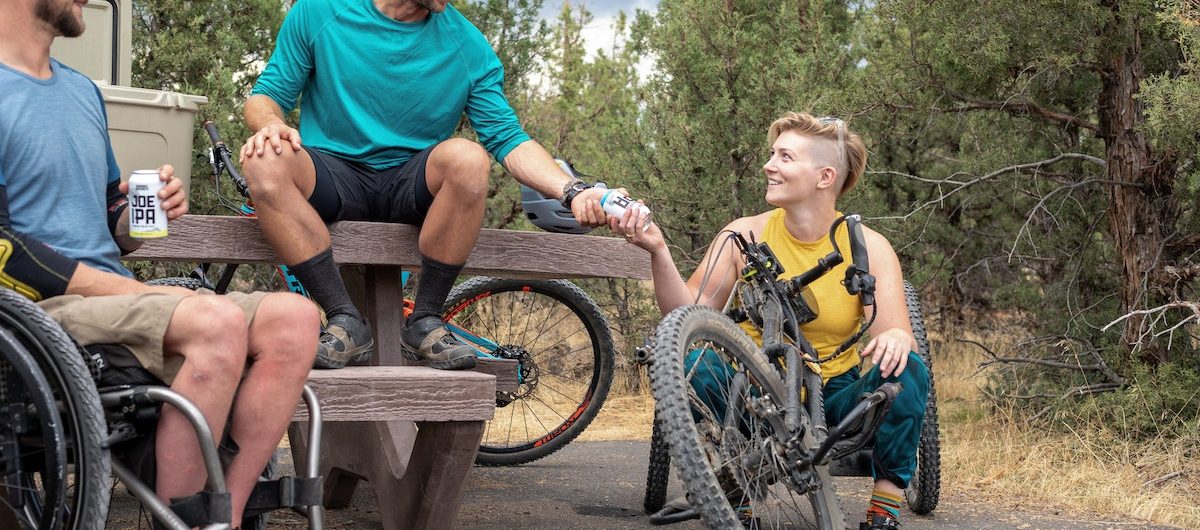
When we think about mobility aids, we often overlook the emotional journey that accompanies their use.
In her blog post, Elise explores this journey, reflecting on the stigma and internal struggles she faced before fully embracing the use of mobility aids. This story resonates deeply with many of us who have felt hesitant or embarrassed about using these essential tools.
The blog starts with a powerful metaphor: if a mobility aid falls in the forest and no one is around to use it, is it still a mobility aid? This question sets the stage for a discussion about the societal perceptions and personal reservations surrounding mobility aids. Elise shares her initial reluctance to use a mobility aid, fearing it would make her appear weak or different. This fear, she explains, is rooted in societal attitudes that often view disabilities and the devices that assist with them as negative.
For years, Elise resisted using a cane, even though it would have made her life easier.
She recounts the times she chose to endure pain and risk falls rather than be seen with a mobility aid. This decision wasn’t just about physical appearance; it was about the internal battle between acceptance and denial of her disability. This experience is a moving reminder of how deeply ingrained these societal stigmas can be and how they can affect our choices.
The turning point came when she finally allowed herself to use a cane. This decision, while difficult, marked a significant shift in her journey. Elise describes the immediate relief and increased confidence she felt once she started using the cane. No longer was she constantly worried about falling or in pain from trying to walk without assistance. This newfound freedom and safety highlighted the importance of mobility aids in improving quality of life.
However, the journey didn’t end with the acceptance of the cane.
Elise discusses how she gradually transitioned to using other aids, such as a rollator and, eventually, a wheelchair. Each transition came with its own set of challenges and emotional hurdles. But each also brought a new level of independence and empowerment. She emphasizes that mobility aids are tools that enable us to live our lives to the fullest. Rather than symbols of defeat.
The blog post also touches on others’ reactions. The author notes that while some people may still hold outdated views about mobility aids, many are supportive and understanding. She encourages readers to educate those around them, helping to shift perceptions and reduce stigma. By sharing her story and advocating for acceptance, Elise hopes to inspire others to embrace their mobility aids and live more freely.
In conclusion, Elise’s journey with mobility aids is a testament to the power of acceptance and the importance of challenging societal stigmas. Her story encourages us to view mobility aids not as a sign of weakness, but to gain freedom and improve our quality of life. As we move forward, let’s continue to share our experiences, support one another, and work towards a more inclusive and understanding society. For more details, visit his blog post HERE.
We want to thank Elise for sharing her story with us. As always, we welcome your thoughts and value your feedback. Let us know your thoughts by Dropping Us a Line or commenting below.
If you would like to get involved and share your experience with Ataxia, don’t hesitate to get in touch with us. Join Our Community today. A place where we empower you to build a healthy lifestyle and raise overdue Ataxia Awareness. Experience transformative storytelling and share your story to inspire positive change.











Using mobility aids with a chronic illness helps improve safety, independence, and quality of life. Choose the right device based on your specific needs, consult healthcare professionals, and ensure proper fit and usage to maximize benefits.