
Why the New SMA Treatment Matters for the Whole Rare Community
Some recent news is worth paying attention to, especially if you live with a rare neurological condition.
The FDA approved Itvisma, a new gene-replacement therapy for Spinal Muscular Atrophy (SMA). It’s designed for children 2 and older, teens, and adults. For families who have been waiting years for something beyond management and maintenance, this is a significant step forward.
It’s not an Ataxia treatment, but it still matters.
I’m not a medical professional, but I follow these developments closely. Whenever progress is made in another neurological condition, especially one rooted in genetics, it signals movement in the broader field. And movement is something the rare community always needs more of.
Why This Progress Matters Beyond SMA
Living with a rare condition often means waiting long stretches for new research, new insights, or any sign that things are moving in the right direction. So when an FDA-approved treatment becomes available, it affects more than just the group it was designed for.
A breakthrough in one area often pushes others forward. Here’s why:
It builds momentum: A gene-therapy approval tells researchers, funders, and institutions that this type of science is working. That pushes more research into similar pathways.
Increased attention on neurological disorders: News coverage, advocacy, and scientific discussion spike. That attention matters. It leads to resources and more support for all rare conditions.
It shows what’s possible: For years, conditions labeled “genetic” or “neurodegenerative” were considered unchangeable. Gene-focused treatments challenge that assumption.
These moments don’t fix everything, and they don’t solve every rare condition, but they open the door wider. That’s meaningful progress.
What Breakthroughs Like This Mean for the Future
Treatments like Itvisma don’t work for every condition, but they give researchers a blueprint. A way to build on what’s already working.
They provide:
- Better understanding of how gene therapy can be delivered
- More data on long-term outcomes
- New approaches to treating neurological pathways
- Confidence for expanding research into other rare conditions, including types of Ataxia
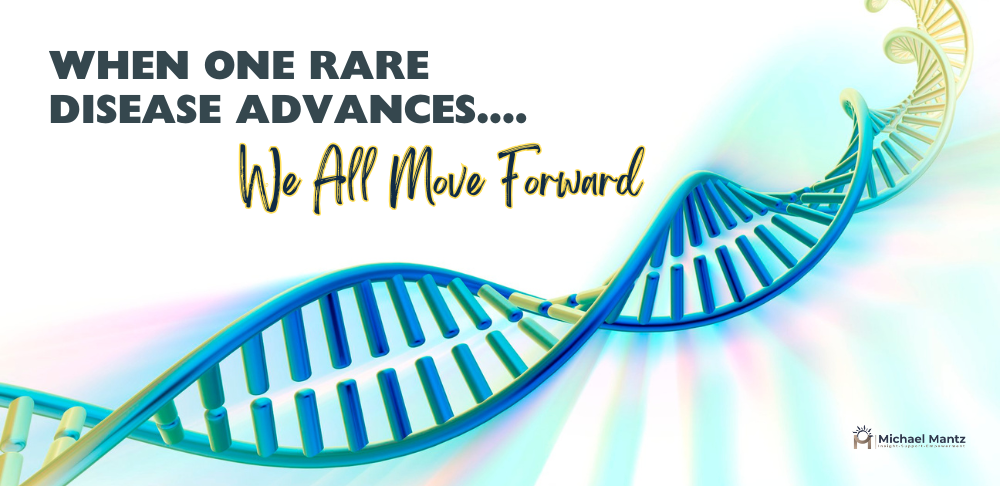
Progress in one condition strengthens the infrastructure for all of them. That’s why this approval is encouraging. It shows that science is evolving. Even if Ataxia isn’t next, it’s still part of the same overall movement.
Why This Matters to Our Community
People living with rare neurological conditions understand the long waits, the uncertainty, and the slow pace of research. So when a breakthrough happens, even for something outside your diagnosis, it still represents forward motion.
It means work is being done and the rare community is not standing still. Additionally, it means new options are becoming possible in areas that once had none.
The families who fought for this SMA treatment pushed the entire field forward. Their progress benefits all of us, directly or indirectly.
A Step Forward for One Condition Helps the Rest of Us
One thing that’s unique about the rare community is that progress for any group is treated as progress for everyone. We all understand what it takes to reach these milestones.
No one expects overnight change. But every advancement adds to the foundation on which future treatments can stand. This approval is another piece of that foundation.
It represents movement, and movement is what keeps hope realistic, not wishful.
Closing Thoughts
If you live with Ataxia or any rare condition, I hope you felt a spark of hope reading about this news.
If you want to read more about Ataxia, balance changes, and the real day-to-day side of living with a rare neurological condition, you can join the blog community. I write about the small wins, the setbacks, and the moments that finally made sense in hindsight.
And if you want to raise awareness in a simple, meaningful way, you can check out InspireThread. I created it to give our rare community something honest to wear — something that reflects this journey without needing a long explanation. Every purchase supports research and keeps the conversation moving forward.
References & Sources
- FDA Press Release: “FDA Approves Gene Therapy Treatment for Spinal Muscular Atrophy”
U.S. Food & Drug Administration (FDA)
https://www.fda.gov/news-events/press-announcements/fda-approves-gene-therapy-treatment-spinal-muscular-atrophy?utm_source=chatgpt.com - Novartis / Itvisma Coverage:
BioSpace – “Novartis Expands Spinal Muscular Atrophy Gene Therapy Market with FDA’s Itvisma Greenlight”
https://www.biospace.com/fda/novartis-expands-spinal-muscular-atrophy-gene-therapy-market-with-fdas-itvisma-greenlight?utm_source=chatgpt.com - Muscular Dystrophy Association Announcement (MDA):
“FDA Approves New SMA Treatment”
https://www.mda.org
Medical Disclaimer
I am not a medical professional. This article reflects my personal perspective and publicly available information. It is not medical advice and should not replace guidance from a qualified healthcare provider.