
Every once in a while, someone in this community puts words to a feeling many of us carry but rarely articulate. Franke James is one of those people.
Franke is a writer and author who also lives with idiopathic ataxia. When she shared this piece with me, it stayed with me. Not because it softens anything, but because it faces reality head-on and still asks a useful question. It’s honest, reflective, and grounded in lived experience, which is exactly why I wanted to share it here.
I’m grateful she wanted to share this, and I think many of you will recognize yourselves in it.
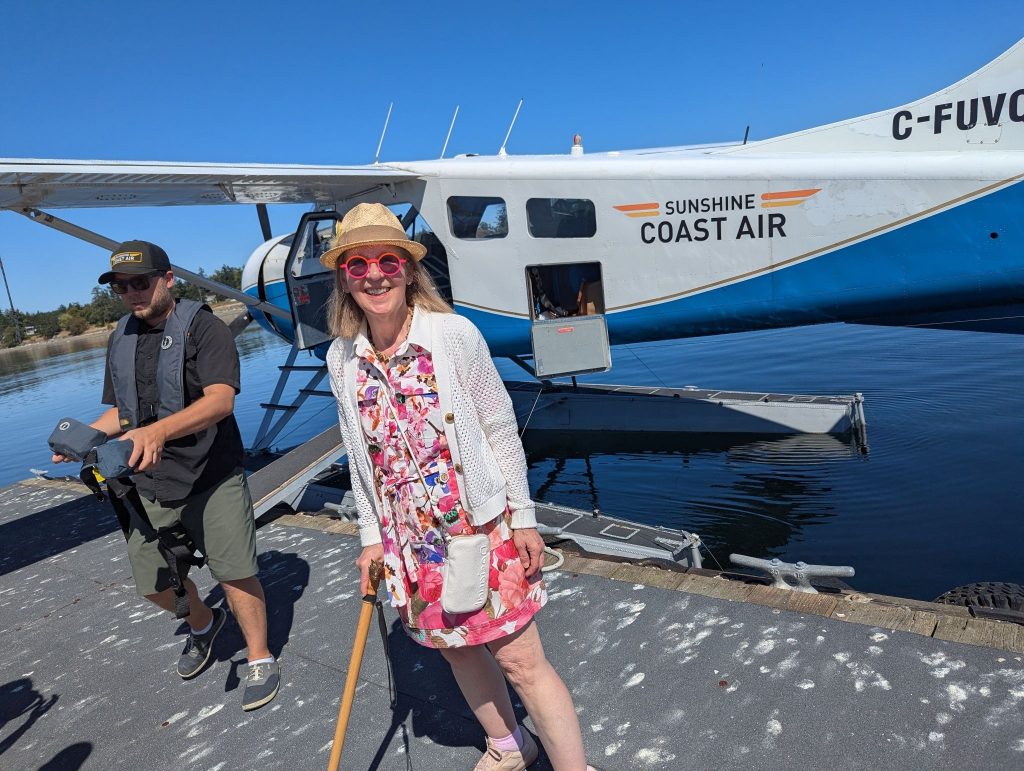
By Franke James
The friend meant well. Maybe you’ve experienced something similar?
We were having a holiday catch-up by Zoom when he said, with real seriousness and empathy, how sorry he was that I’d been hit with such bad luck—being diagnosed with ataxia.
Yes, being diagnosed with an incurable brain disease is a bummer. (I know ataxia affects people very differently, and for many, it is devastating. The overall trajectory is indeed gloomy.) But what I said next surprised him.
I told him I felt fortunate that it wasn’t sudden, like the massive stroke my mother suffered at age 60. In one moment, she went from being a go-getter to being dependent on a caregiver (my devoted dad). She could barely talk or walk. That was her life for more than a dozen years until she died.
I also feel fortunate that my diagnosis isn’t terminal. My brilliant eldest sister learned she had stage-four cancer. She was shocked and consulted many doctors, who held out few options. She was gone six months later.
My life (like my mother’s and my sister’s) has taken unexpected twists and turns. I asked my friend: if you had to choose, would you prefer a major stroke, terminal cancer, or ataxia?
He didn’t answer—but he understood my point.
I told him I feel fortunate to be largely independent and able to do so much in my life. Overall, I am privileged to be coping with my ataxia, comfortably and creatively.
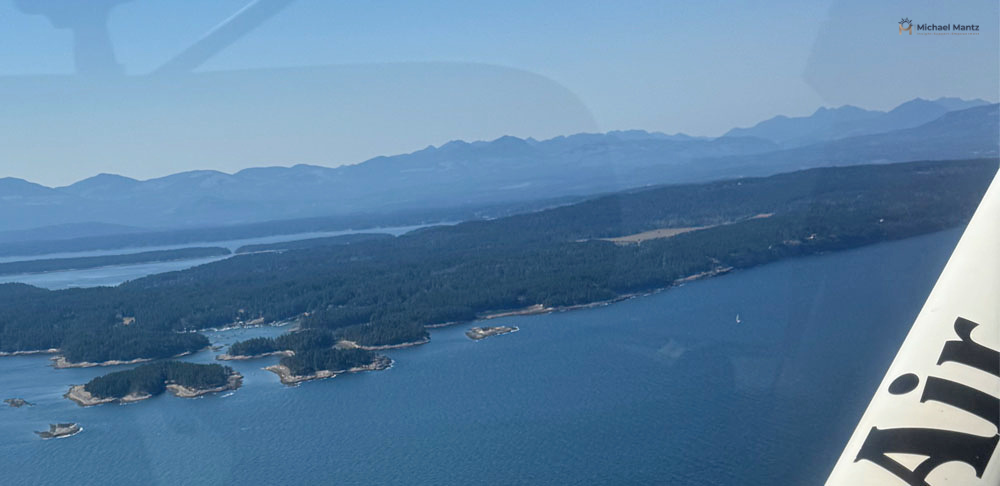
I can write my latest book and fly on a float plane to attend conferences. Or I can take a 3-kilometre daily walk. I take pleasure in spotting deer and rabbits in our semi-rural area neighborhood, or watching frothy whitecaps crash onto the sandy beach.
What gives me hope is that I can improve. (I am an optimist at heart.) I can work on my balance through physiotherapy and build strength through weight training.
Neither my mother nor my sister had hope for their health. That difference matters.
I do have hope, and I can imagine medical breakthroughs for cancer, stroke, and ataxia. I can support rare disease research through organizations like InspireThread and thus help move the science forward.
A new drug may work. A wearable device that corrects my balance may be readily available. Continued exercise may create new neural pathways that help me to detour some of the symptoms. Who knows? We need to fund research to determine exactly what is possible.
Can you imagine a world where ataxia is cured?
This community exists to share real stories, practical perspectives, and steady encouragement, without pretending things are easy or the same for everyone. If you want to keep reading pieces like this and exploring life with ataxia and other rare conditions in an honest, grounded way, you can follow along here.
If you’re looking for a way to support awareness and research while staying connected to the community, you can also explore the InspireThread shop. Franke is an ambassador, and if you use her code franke10, you will get 10% off your order, and any proceeds connected to her link will be added to my research donations. It’s a generous gesture that reflects the spirit of this community – supporting each other while helping move science forward.
However you’re navigating your own path, I’m glad you’re here.