Nobody has ever sat down to write the rules for how fast a person is supposed to walk down a sidewalk. There’s no manual, no orientation video, no fine print. And yet everyone seems to know them anyway. Walk on the right. Don’t stop without warning. Keep pace with the group you’re near, even if you don’t know them. Don’t make anyone wait longer than a few seconds for anything, ever. Bloomberg once ran an entire guide to this exact phenomenon, noting that city dwellers coordinate these tiny decisions constantly without ever discussing them out loud.
I know these rules well, because I break most of them constantly, just by existing at a different speed. Ataxia slows my walk down in ways that have nothing to do with effort or attitude. It’s just the pace I move at. And that pace puts me in a strange front-row seat to a set of social customs nobody admits exist until someone fails to follow them.
The Sidewalk Game of Chicken
There’s a particular dance that happens on a narrow sidewalk when someone fast is walking behind someone slow. First comes the hover, a few feet back, as the faster walker decides whether to pass. Then comes the calculation: is there room, is it rude, will it look impatient? Then, more often than people probably realize, comes the sigh. Not always audible, but visible in the shoulders, in the little head-tilt that says come on.
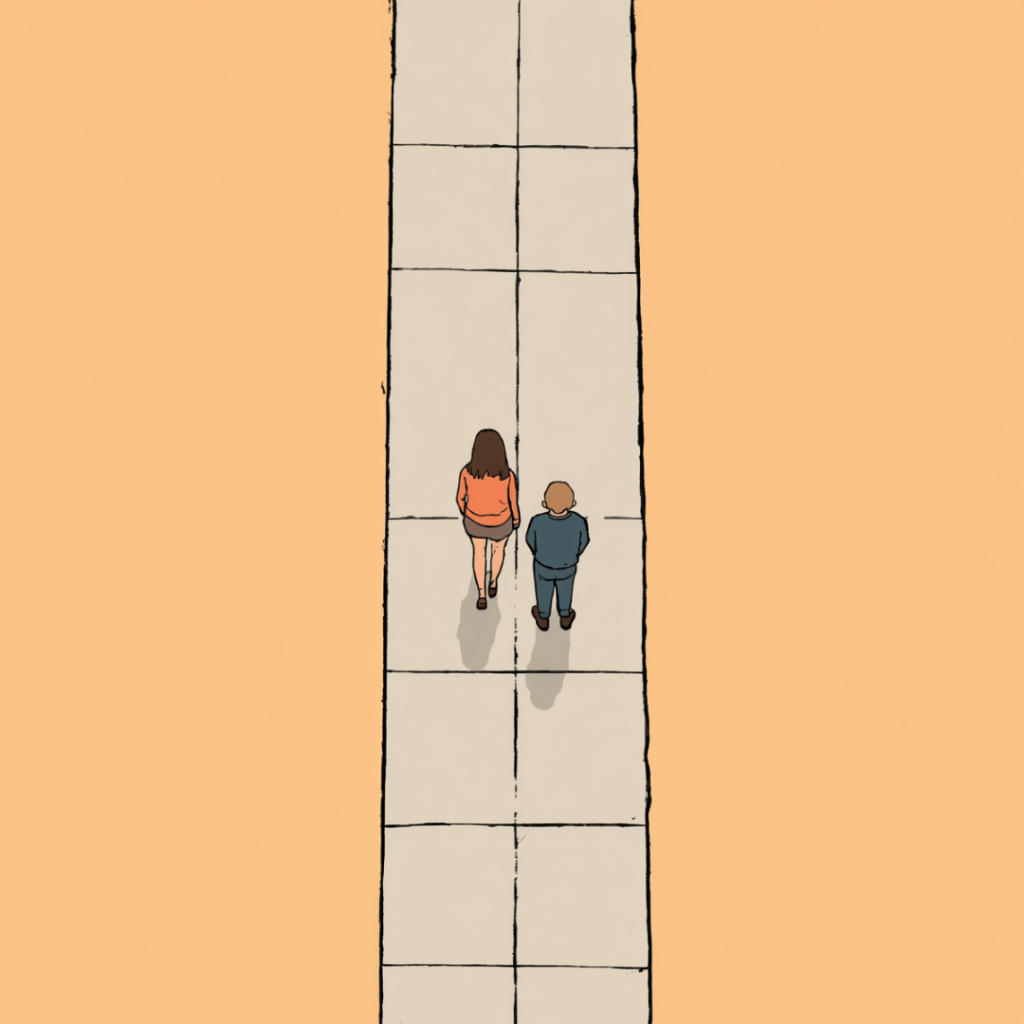
I’ve started keeping an informal track of how long this hover usually lasts before someone commits to passing. The average seems to be about four seconds, which feels like nothing until you’re the one being hovered behind, when it stretches into a geological era.
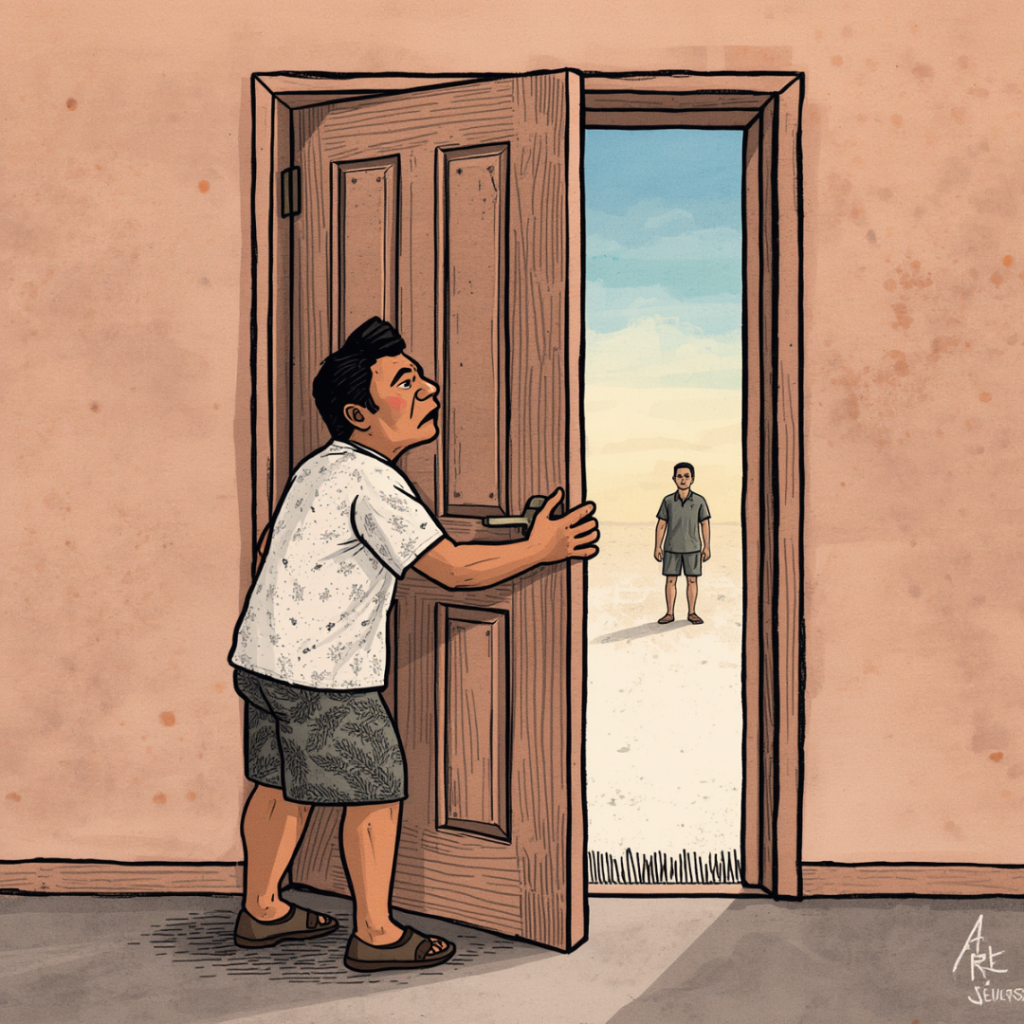
The Overly Patient Door-Holder
This one comes from a good place, which somehow makes it more complicated. Someone reaches a door, sees me approaching from a distance, and holds it open. Generous. Except I’m still fifteen feet away, moving at my normal pace, and now someone is standing in the doorway, watching me close the distance like we’re both in a very slow western.
The math never quite adds up. If they let go, the door swings shut and I have to start over. If they keep holding it, we’re both stuck in an increasingly long, increasingly silent standoff. I’ve taken to waving people through, but that creates its own subgenre of negotiation, the double wave-off, in which neither of us is willing to be the one who just walks away.
The Elevator Closer Who Definitely Saw You Coming
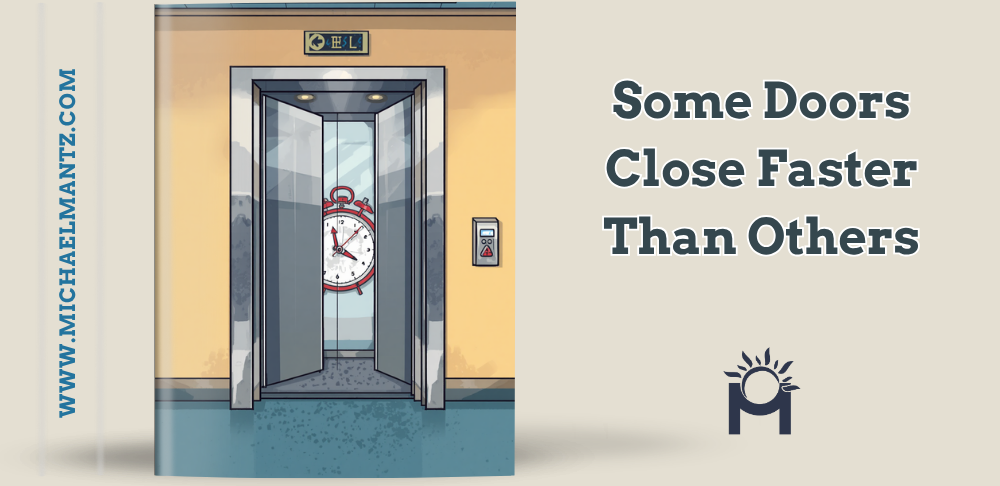
Every building has at least one. You’re crossing the lobby, and the elevator doors are open. Someone’s standing right there. Eye contact happens. And then, with the particular swiftness reserved for exactly this moment, the doors close.
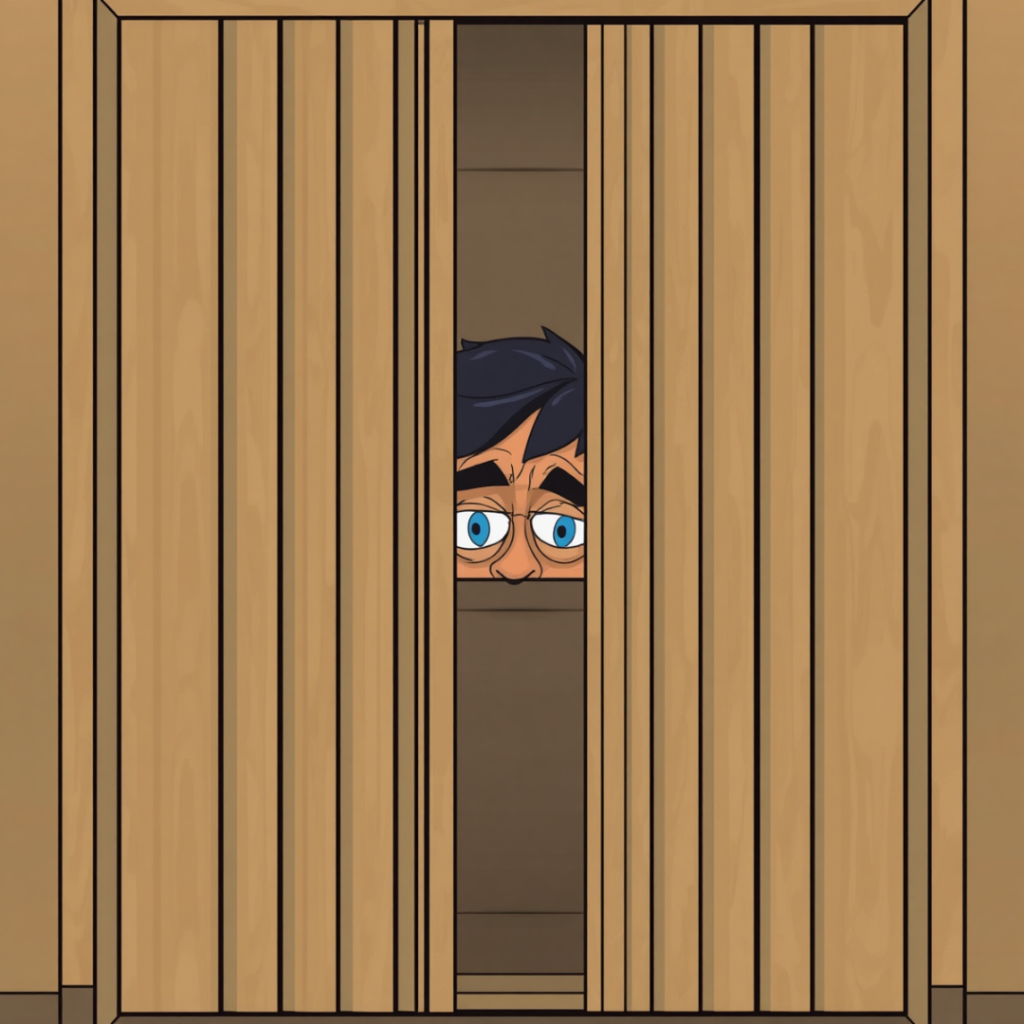
I don’t think most people do this maliciously. I think it’s more of a reflex, a kind of social autopilot that kicks in when waiting feels like it might cost something. But it’s a small, specific kind of comedy when you’re the one watching the doors close at exactly the speed they never seem to manage for anyone else.
The Grocery Cart as a Diplomatic Tool
Using a cart for balance rather than groceries is its own quiet negotiation with public space. Most of the time, it works fine. Occasionally, someone gives the cart, and by extension me, a look that suggests they’ve done a quick calculation about how few items it takes to justify a full cart and have come up short.
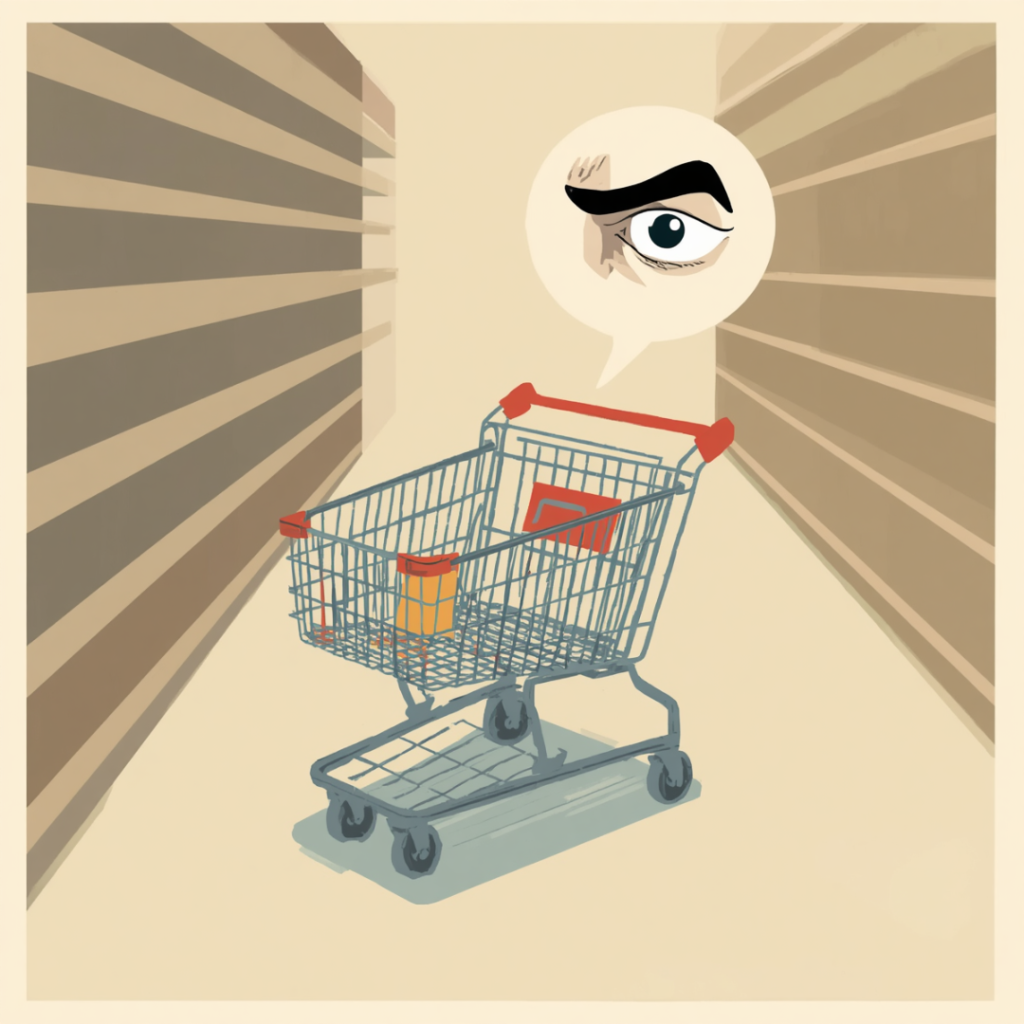
Never have I once explained myself in these moments. I’ve just gone on existing, slowly, in the cereal aisle, while someone recalibrates their assumptions in real time.
What All of This Actually Is
None of these moments are really about rudeness. They’re about a set of unwritten assumptions everyone absorbs without noticing, until they meet someone who doesn’t fit them. Move efficiently. Don’t make people wait. Match the room’s pace or get out of its way. Most people follow these rules so automatically that they don’t even realize they’re rules. They just feel like normal life. Travelers who move between countries notice this too: pedestrian customs vary by culture, and the rules of any given sidewalk only become visible the moment someone breaks them.
Being the slow-moving exception to all of this hasn’t made me hate the rules, exactly. It’s made me curious about them, the way you get curious about a game once you realize you’re the only one who’s read the manual. The hovering, the door-holding, the elevator doors snapping shut, none of it is cruelty. It’s just what happens when a system built for one pace meets someone moving at another, and nobody’s quite sure what the etiquette is supposed to be.
There isn’t a tidy fix for this. The sidewalks aren’t getting wider, and the elevators aren’t getting more patient. But there’s something almost funny about realizing that, eventually, everyone ends up on the slow side of one of these moments. A stroller, a sprained ankle, an overloaded cart, a bad day. The rules of pace turn out to apply to everyone, sooner or later. Some of us just get to learn them a little earlier than most.
FAQ
Why do people seem impatient with slower walkers in public spaces? – It’s rarely personal. Most public spaces are built around an assumed average pace, and people unconsciously expect everyone around them to move at roughly that speed. When someone doesn’t, it disrupts an unspoken rhythm most people never had to think about.
What’s a good way to respond to door-holding or elevator situations as a slower walker? – There’s no universal right answer, but waving someone through, or simply saying “go ahead, I’ve got it,” tends to resolve the standoff faster than either party trying to out-wait the other.
Does this only apply to people with mobility-related conditions? – No. Anyone moving slower than the room’s expected pace, due to an injury, a stroller, age, or simply a bad day, runs into the same unwritten rules. Chronic conditions just mean encountering them more often.
If this made you smile, there’s more writing like it over at the community page, with new articles as they’re published. And if this resonated, InspireThread’s “You Don’t Have to Move Fast to Move Forward” tee says it better than I just did in eleven paragraphs.