
For most of my life, I didn’t think much about energy. I woke up, did my day, got tired, went to bed, and did it again. If I felt wiped out, there was usually a reason I could point to without much effort. Too little sleep, too much work, not enough food, or a night that felt like a good idea at the time and wasn’t.
Ataxia changed that in a quieter way.
Over time, I started noticing that my body just asks for more than it used to. Not in a dramatic, headline-worthy way. Just more attention. Balance takes effort now. Coordination does too. Focus comes and goes. Some days, even standing still feels like something I have to participate in, which is still a strange thing to realize.
What makes it confusing is how ordinary it can look from the outside. I’m still doing the same things. Walking. Talking. Showing up. Meanwhile, everything underneath feels a little heavier than it used to.
That’s the lens I look through now when I think about food and supplements. Not as fixes or upgrades. I’ve just learned that small choices can either make the day easier or quietly work against me.
Energy With Ataxia Is Not a Straight Line
One of the hardest things to explain about ataxia-related fatigue is how inconsistent it is. There are days when I feel mostly solid, and days when everything feels heavier for no obvious reason. Same sleep, same schedule, same intentions… but very different outcome.
That unpredictability used to frustrate me. I wanted rules. If I do X, I should get Y. But ataxia doesn’t work like that. Energy becomes more about trend lines than daily results.
Once I accepted that, food stopped being about fixing anything and started being about not making things harder than they already are.
I’ve written before about adjusting pace in Living in Slow Motion, which focuses more on how energy shapes a day’s rhythm. Nutrition is the quieter part in that equation. It doesn’t create good days, but it can definitely hurt them.
What I Eat Actually Matters (Even When I Ignore It)
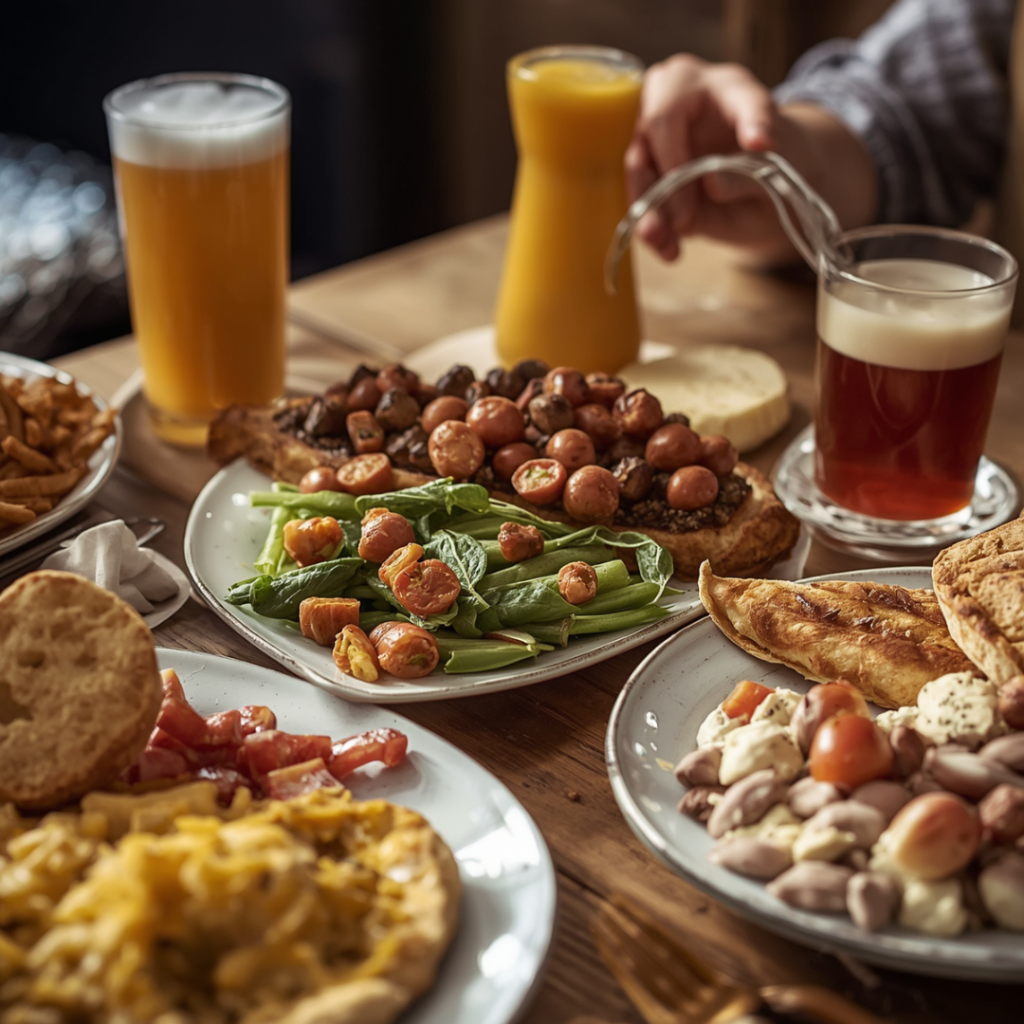
I love pizza. Always have. I also love anything that falls into the broad category of “comfort food,” especially when it’s salty, cheesy, or comes with very few questions attached.
I’ve also learned that when I eat a lot of processed or heavy, fatty foods, I feel more sluggish afterward. Not immediately and not in a dramatic way. Just enough that everything feels slightly harder to manage. Balance, focus, and speech can be “off.” Almost like moving through thicker air.
This doesn’t mean I eat clean all the time. I’m nowhere near that disciplined, and honestly, I don’t want to be. What I aim for instead is something closer to an 80/20 approach. About eighty percent of the time, I eat in a way that supports steadier energy. The other twenty percent is comfort, flexibility, and being human.
Those numbers aren’t rigid and definitely not tracked. They’re just a guideline that keeps me from swinging between extremes. Trying to eat perfectly made me more stressed, and stress has its own energy cost.
I’ve stopped aiming for perfect. Eating reasonably well most of the time keeps things steadier, and steadier beats dramatic for me now.
Why Energy Crashes Feel Bigger With Ataxia
When someone without a neurological condition hits an energy dip, they slow down a little. When someone with ataxia hits the same dip, it can affect everything else that relies on coordination and control.
Walking feels less automatic than it used to. My reaction time stretches a bit. Small mistakes show up faster. Things that already require attention start asking for more, which is usually when I know I’m running low.
Ignoring fatigue sounds doable until it isn’t. I’ve tried pushing through more times than I can count. It usually just creates more frustration later. I’ve written about this more in Why Do I Keep Tripping or Losing My Balance?, because energy and balance don’t really stay separate for very long.
Food doesn’t solve that connection, but it definitely influences it.
Supplements: Where I Land (Without Pretending to Be an Expert)
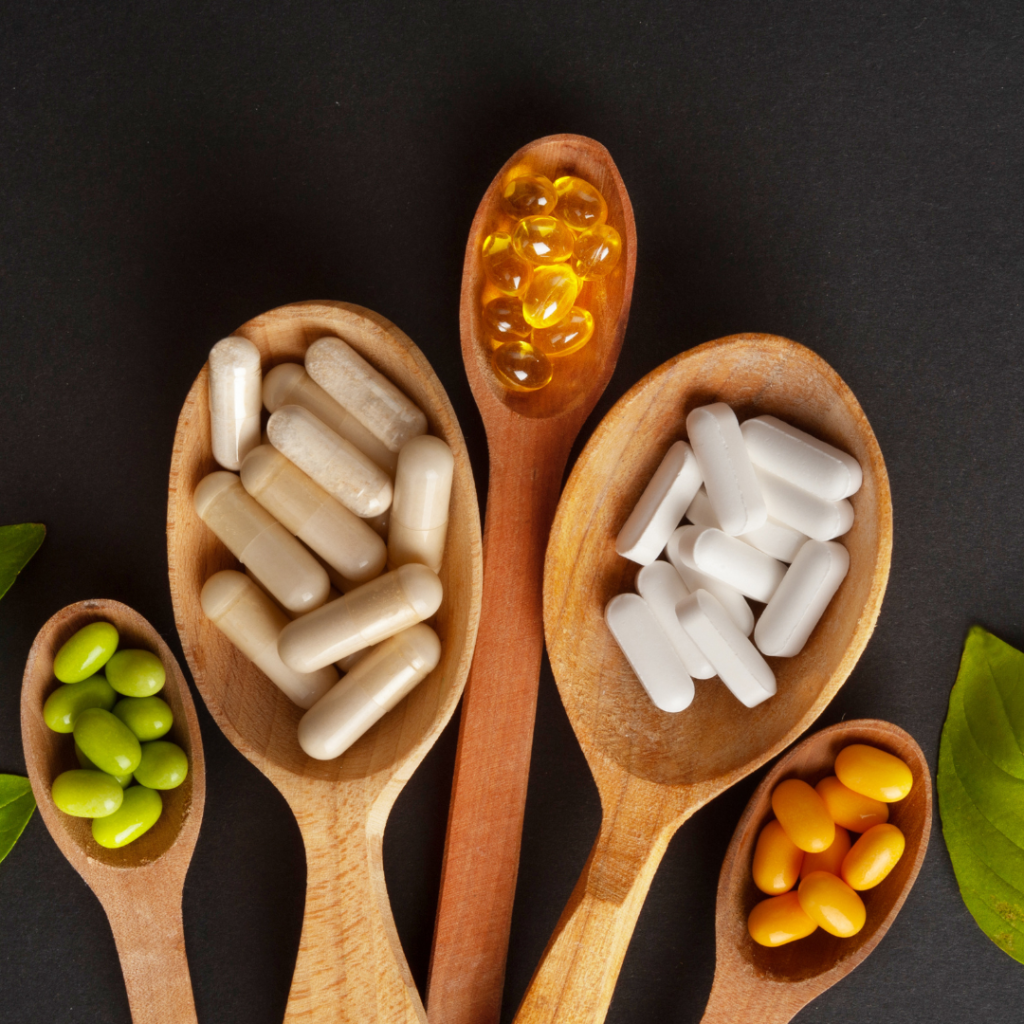
Supplements come up constantly in conversations about ataxia. Creatine, in particular, is often mentioned for muscle mass, brain health, and neurological protection.
My honest, non-expert take is simple – a small daily amount of creatine is worth it for me.
I didn’t start taking it because someone told me I should. I started because I read enough to think it might help over time, especially with muscle and brain health in neurological conditions. None of it felt definitive, but it was enough to make me pay attention.
Could some of that be wrong or overstated? Possibly. Science evolves, and studies disagree. People respond differently. That’s why I’m careful about framing this as something I do, not something I recommend.
The cost-benefit made sense for me. Small dose. Low risk. Potential upside. No expectation of dramatic results.
It’s not a replacement for the basics. Bad sleep still matters. So does inconsistent eating. It won’t rescue a rough day or suddenly change how things feel. For me, it just sits in the background doing its small part.
And that’s how I approach most supplements now. Quiet support, not a silver bullet.
How I Think About Energy Now
The bigger shift for me wasn’t really about food at all. It was how I think about energy.
I used to expect my body to behave the way it always had, and when it didn’t, I treated that like a problem to push through. These days, I don’t do that as much. If I’m worn down earlier than I expected, I notice it and adjust. I don’t assume it means I did something wrong.
Knowing that my body costs more to operate just changes how I plan things. I leave more room and expect some variability. When a day feels heavier than it should, I try not to make it a bigger story than it needs to be.
Food and supplements fit into that picture, but they don’t run it. They’re just part of the background. When I eat in a way that keeps my energy steadier, the day usually goes a little smoother. Not perfect. Just with fewer unnecessary obstacles.
Eating Well Enough
Eating perfectly clean sounds great until you actually try to live that way. Then it turns into something you’re managing all day, thinking about constantly, and feeling bad about whenever you miss the mark.
Ataxia already asks for enough attention. I don’t need food competing for the same mental space.
These days, I mostly pay attention to how things land. If something consistently leaves me feeling drained, I notice. Or, if something helps my energy stay steadier, it sticks around. And if something brings a little comfort without completely wrecking the day, I’m fine enjoying it and moving on.
Keeping it that simple makes food feel like part of life again, not just another job.
This Is a Long Game
Ataxia has a way of making short-term thinking less appealing over time. You can try to outsmart it for a while, but eventually your body pushes back.
I’ve learned that energy, food, supplements, and pacing all overlap. None of it works on its own, and none of it fixes everything. I don’t expect food to solve fatigue, and I don’t expect supplements to do more than they realistically can. I’m mostly just trying to give my body fewer reasons to struggle.
Some days work better than others. That’s part of it.
Paying attention to how fuel affects me at least keeps the hard days from feeling random. I don’t always feel better, but I understand what’s happening a little more. And that alone makes living with this easier.
Stick Around
If this resonated, you’ll probably find more pieces here that explore the quieter, less polished parts of living with ataxia. You can join the blog community to get notified when a new article is published.
And if awareness matters to you, take a look at InspireThread – designs built around identity, not diagnosis. A portion of every sale supports research and development (R&D).
Wear the message. Live the message. Share the message.
I’ll keep paying attention to what helps and what doesn’t. Not to perfect anything, but to make the path a little steadier.
And if pizza shows up along the way, I’m not mad about it.