


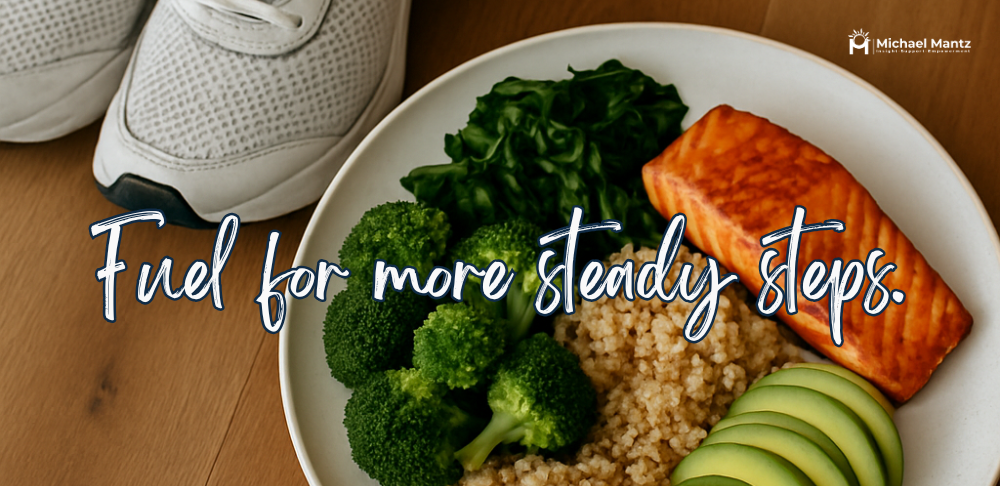
Part of the Steady Steps series
What if the reason you’re always tired isn’t just your condition, but also what’s on your plate?
Tired? It’s Not Always Just About Sleep.
If you live with Ataxia or any long-term condition, chances are you’re familiar with fatigue that goes way beyond “I stayed up too late.” It’s the kind that seeps into your bones, slows your brain, and makes even simple tasks feel like a slog.
And sure, sleep matters. So does hydration, stress management, and physical activity. But there’s another piece we sometimes overlook: what you eat.
I recently read an article on Healthline about foods that help beat fatigue. It was a good, practical reminder that your diet isn’t just about weight or cholesterol or any of the usual health stats—it’s about energy—real, usable, daily fuel. And for those of us who need to maximize every bit of it, that matters.
Why Diet Can Be a Game Changer for Energy
Food literally powers every process in your body. When your nutrition is off, your cells aren’t getting what they need to keep you alert, moving, and functioning.
For people with Ataxia, Parkinson’s, MS, or other neurological conditions — or honestly, anyone dealing with chronic stress or aging — a nutrient-dense, balanced diet is one of the best tools you have. It can’t fix everything. But it absolutely gives your body a stronger foundation.
7 Types of Foods That Help Fight Fatigue
The Healthline article broke it down nicely, so I’ll share the highlights with my own spin on why each matters.
1. Whole Grains: Think brown rice, oats, quinoa, and whole wheat bread. Unlike refined carbs (white bread, pastries, many snack foods), whole grains break down more slowly in your system. That means a steadier stream of energy — no huge spikes followed by crashes. They also pack fiber, which keeps your gut and blood sugar balanced.
Why it matters for fatigue: No wild swings. More staying power.
2. Seeds and Nuts: Almonds, walnuts, pumpkin seeds, chia, flax, etc. — all of these are rich in healthy fats, magnesium, and protein. Magnesium, in particular, plays a role in converting food into energy.
Nuts are basically little nutrient bombs. Keep a handful in your bag or counter to grab when you’re dragging.
Why it matters for fatigue: Quick, portable energy + long-term brain and nerve support.
3. Lean Proteins: Chicken, turkey, fish, eggs, and plant proteins like beans and lentils provide amino acids, which are the building blocks of muscles, tissues, and neurotransmitters.
A protein-rich meal helps keep your blood sugar stable and repairs muscle (important if you’re already dealing with instability or muscle compensation).
Why it matters for fatigue: Helps you rebuild, keeps hunger at bay, supports steady energy.
4. Fresh Fruits and Veggies: These give you vitamins, minerals, antioxidants, and water. Berries, oranges, leafy greens, sweet potatoes, peppers — they all play a role in how well your cells produce and use energy.
Color is a clue. The more vibrant the produce, the more it’s packing.
Why it matters for fatigue: Fights inflammation and oxidative stress, which can contribute to that dragged-out, heavy feeling.
5. Iron-Rich Foods: Fatigue is a hallmark symptom of iron deficiency. Red meat, spinach, lentils, and fortified cereals all help. Vitamin C (like from citrus or peppers) can boost absorption.
Why it matters for fatigue: Keeps your blood able to carry oxygen efficiently — without enough iron, your body simply can’t energize itself.
6. Water: Not a food, but still at the top of the list.
Mild dehydration can make you feel foggy and slow. Sometimes fatigue is literally just your cells crying out for more fluid.
Why it matters for fatigue: It helps transport nutrients, regulate temperature, and maintain brain function.
7. Coffee and Tea (In Reasonable Amounts): Caffeine can be a lifesaver. It blocks adenosine (the chemical that makes you feel sleepy) and gives a temporary energy bump. But too much backfires, causing jitters, crashes, or messing with your sleep.
Herbal teas without caffeine can also be hydrating and soothing, which indirectly helps energy by lowering stress.
Why it matters for fatigue: A smart boost, not a total fix.
Where This Fits for People With Ataxia (or Any Condition)
I don’t have the most aggressive Ataxia out there—mine’s SCA15, generally milder. But fatigue has still hit hard at different times in my life. It’s more than just being tired. It’s that combination of muscle effort, neurological misfires, and the mental weight of constantly thinking about balance and movement.
That’s why I see diet as a support system. It’s one of the areas we can influence when so many other things feel out of our hands. You might not be able to change your gait pattern or your coordination overnight. But you can start adjusting what goes on your plate.
Little shifts — swapping white bread for whole grain, adding spinach to eggs, keeping almonds in your car, drinking an extra glass of water — add up. They may not solve fatigue by themselves, but they give your body fewer barriers to work against.
It’s Not About Perfection
I’m never going to push some strict, perfect diet. I like food too much for that — and life’s too short.
But I do think there’s real value in making small, doable changes that actually give you more energy, especially when you’re already fighting an uphill battle.
If you’ve ever caught yourself saying, “Man, I’m just always tired,” it might be worth taking a look at what’s on your plate. It won’t fix everything. But it could be one more way to help you keep moving forward.
Final Thoughts — And an Invitation
This post is part of my Steady Steps series — a collection of honest conversations, practical tools, and reflections on living with Ataxia or any rare condition.
If this resonates with you, or if you’ve found your own food (or life) hacks that help with energy, I’d love to hear them. Leave a comment, share your story, or join our community here.
We’re all figuring this out together. One steady step at a time.
References:
- Healthline. “13 Foods That Beat Fatigue: Naturally Increase Energy.” https://www.healthline.com/health/food-nutrition/foods-that-beat-fatigue









Great information! Very helpful.