


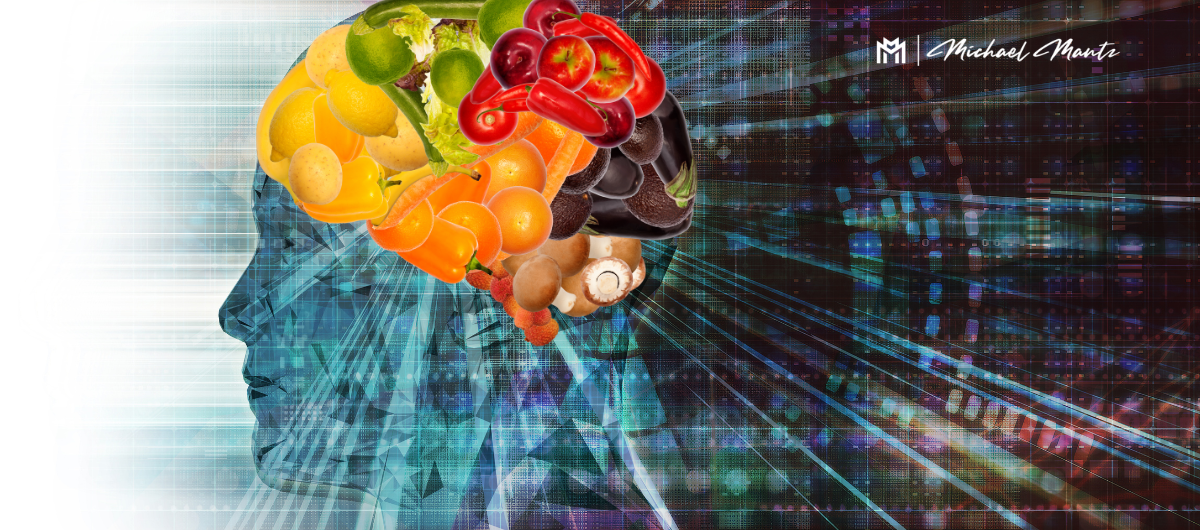
I recently read an interesting article about how our diet can significantly impact brain health. It explored the benefits of anti-inflammatory foods and ketogenic diets, as well as the Mediterranean diet’s role in supporting cognitive function.
Disclaimer: This article is for general information and educational purposes only. It neither provides any medical advice nor intends to substitute professional medical opinion on treating, diagnosing, preventing, or alleviating any disease, disorder, or disability. Always consult your doctor or qualified healthcare professional about your health condition and/or concerns before undertaking a new healthcare regimen, including making any dietary or lifestyle changes.
The Power of Anti-Inflammatory Foods
First off, let’s talk about anti-inflammatory diets. These diets focus on foods that reduce inflammation, which is crucial for brain health. Some great anti-inflammatory foods include:
- Tomatoes: Packed with antioxidants, tomatoes help combat inflammation.
- Olive Oil: This healthy fat is a staple in anti-inflammatory diets.
- Leafy Green Vegetables: Think spinach and collards; they’re nutrient powerhouses.
- Nuts: Almonds and walnuts provide healthy fats and antioxidants.
- Fatty Fish: Salmon, tuna, and sardines are rich in Omega-3 fatty acids.
- Fruits: Berries and oranges are delicious and fight inflammation.
On the flip side, certain foods can trigger inflammation and should be limited:
- Refined Carbohydrates: White bread is a common culprit.
- Fried Foods: French fries, while tasty, are inflammatory.
- Sugary Drinks: Sodas are a big no-no.
- Red and Processed Meats: Beef and hot dogs can contribute to inflammation.
- Margarine and Shortening: These fats are best avoided.
The Keto Diet: A Brain-Boosting Powerhouse
Next, we have the ketogenic (keto) diet, which is all about low carbs and high fats. This diet shifts your body’s metabolism from carbs to fat and ketones. When you consume very few carbs, your liver produces ketones from fat, which become your primary energy source, especially for your brain.
Interestingly, ketones can meet up to 75% of your brain’s energy needs. This is particularly beneficial because it enhances the number of mitochondria—the energy powerhouses in brain cells. This boost in energy production supports brain function and may improve memory and learning, as seen in studies focusing on the hippocampus, a key area for these processes.
The keto diet has a long history, initially used in the 1920s to treat drug-resistant epilepsy in children. Its modern benefits extend to potentially reducing symptoms of various neurological disorders.
The Mediterranean Diet: A Traditional Path to Brain Health
Let’s not forget the Mediterranean diet, which emphasizes fresh fruits and vegetables, nuts, fish rich in Omega-3 fatty acids, and olive oil. This diet and regular physical activity are excellent for brain health.
Research suggests that the Mediterranean diet can reduce the risk of Alzheimer’s disease. Improving cholesterol levels, blood sugar control, and overall blood vessel health supports cognitive function and protects against dementia.
Additionally, this diet’s high levels of antioxidants can halve the risk of Parkinson’s disease. Antioxidants prevent cells from oxidative stress, which can damage brain cells.
A 2013 study in the journal *Neurology* found that those adhering to the Mediterranean diet had a 19% lower risk of thinking and memory problems. This highlights its potential protective effects on cognitive health.
Conclusion: Nourish Your Brain for Lifelong Health
Our brain regulates various aspects of metabolism, including food intake, energy expenditure, and glucose metabolism. High-quality foods rich in protein, fatty acids, antioxidants, vitamins, and minerals nourish the brain and protect it from oxidative stress.
Understanding how dietary interventions affect the brain is crucial. Foods that provide amino acids necessary for neurotransmitter production play a key role in maintaining neurological functions.
Both the keto and Mediterranean diets show promising correlations with improved brain health. While the keto diet focuses on using fat and ketones for energy, the Mediterranean diet emphasizes a balanced intake of fresh, nutrient-rich foods.
By incorporating anti-inflammatory foods and considering the keto or Mediterranean diets, we can support our brain health and overall well-being. So, why not give these dietary approaches a try? Your brain will thank you!
Please read the original story HERE.
We would like to thank Ultrahuman for sharing this educational story with us.
Please share your thoughts and/or comments on this or any other article. If you would like to get involved and share your experience with Ataxia, don’t hesitate to contact us. Join Our Community today, where we empower you to build a healthy lifestyle and raise your overdue ataxia awareness. Experience transformative storytelling and share your story to inspire positive change.










