Living with Ataxia comes with plenty of challenges, but one of the toughest hurdles is overcoming the misconceptions people have about the condition. I recently came across a blog post by Elise from Elisability titled Common Misconceptions About My Ataxia.
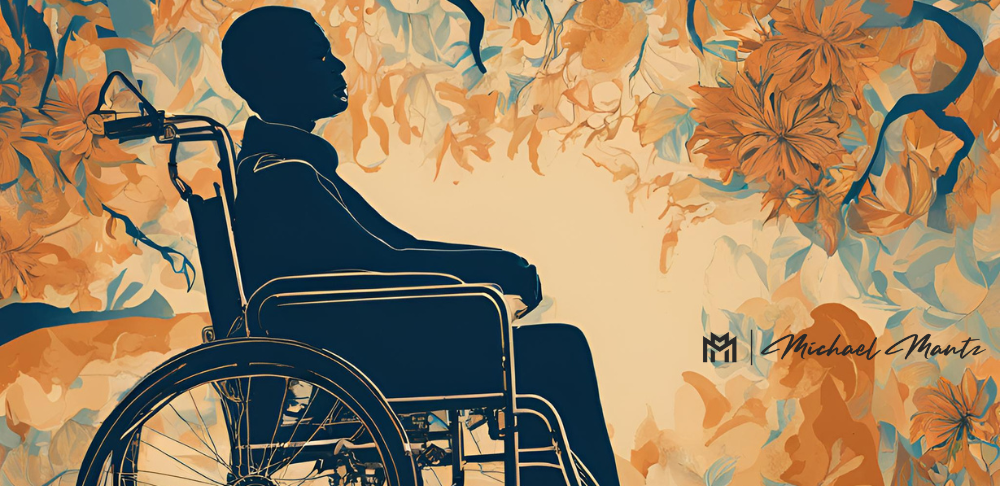
Elise begins by addressing a myth many people with Ataxia encounter: mobility aids signify a total inability to walk. As Elise explains, mobility aids like wheelchairs or walkers enhance independence, not markers of helplessness. However, societal misconceptions can often make people feel judged or underestimated simply because they use these aids.
Another widespread misunderstanding is that Ataxia primarily affects older adults.
Ataxia doesn’t discriminate by age, and for many, its effects begin long before they’re seniors. This misconception can alienate younger people with Ataxia, as some may dismiss their condition or assume it’s something else.
Elise dives into Ataxia’s “invisible” side, bringing up what people don’t always notice. Sure, unsteady movement or slurred speech might stand out, but the stuff you don’t see—like the overwhelming fatigue or the emotional rollercoaster—can hit the hardest. Those hidden struggles make it even more difficult for others to understand what living with Ataxia is genuinely like. It’s not just a physical condition; it’s something that weaves its way into every part of life—your mental health, your relationships, even the everyday routines most people don’t think twice about.
Elise’s point that stood out was the misconception that Ataxia is clumsiness. This couldn’t be further from the truth. It’s not about being uncoordinated; it’s about living with a system-wide challenge that can turn routine tasks into daily battles.
One of the toughest myths is the idea that nothing can be done for people with Ataxia.
Sure, there’s no cure yet, but that doesn’t mean there’s no hope. Elise points out that treatments, therapies, and everyday tools can improve your quality of life. From breakthroughs in medical research to physical and occupational therapy—and even the little adjustments you make each day—there are many ways to improve. It’s all about figuring out what works for you.
Elise gets into the emotional side of living with Ataxia, and it hits hard. Think about it—walking a little unsteady, and someone assumes you’re drunk. Or struggling to get your words out clearly, and people treat you like you’re not intelligent. It’s not just dealing with the condition itself; it’s carrying the weight of constant judgment and having to explain yourself. That kind of misunderstanding doesn’t just frustrate you—it wears you down in ways most people can’t even imagine.
Elise talks about how this condition while challenging, has taught her resilience and helped her find joy in ways that might not fit societal norms but are just as meaningful. People with Ataxia aren’t sitting on the sidelines of life; they’re pursuing passions, building careers, and nurturing relationships—all on their terms.
She highlights how people’s views of Ataxia directly impact how those with it are treated by employers, friends, and even family. By taking the time to educate ourselves and others, we can break down those stereotypes, build empathy, and create a more inclusive and understanding world.
Reading Elise’s blog made me think about how powerful storytelling can be in raising awareness. Her honest insights show why open conversations about Ataxia are so necessary. When we understand what the condition is like, we’re better equipped to support those living with it and challenge the stigma they face daily.
Check out their original post here if you want to learn more about Elise’s story. Her voice is a testament to how sharing personal experiences can challenge misconceptions and change perspectives.
Whether you’re living with Ataxia, caring for someone who is, or just curious to learn more, this is a conversation worth having.
Please share your thoughts and comments on this or any other article. And if you would like to get involved and share your experience with Ataxia, don’t hesitate to contact us. Join Our Community today, where we empower you to build a healthy lifestyle and raise your overdue ataxia awareness. Experience transformative storytelling and share your story to inspire positive change.