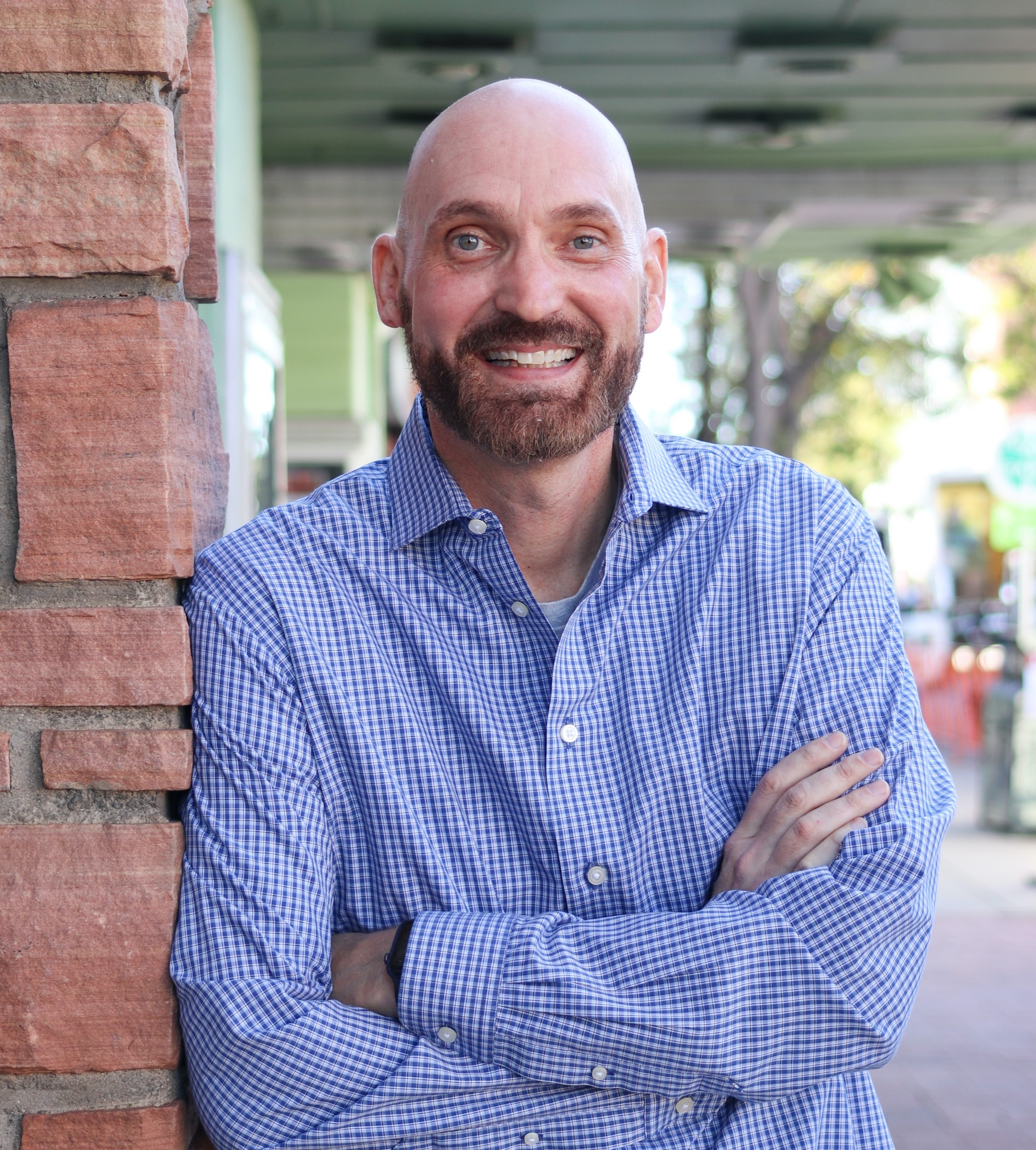

Hi everyone, I recently read a touching story about Mark Desa, who lives outside Toronto, Canada. Mark has ARCA1, or Autosomal Recessive Cerebellar Ataxia type 1, and he shared his journey with this rare condition.
Mark’s childhood was filled with happiness and normalcy. He was active in karate and weight training as he grew older. However, things started to change in his mid-30s when people noticed issues with his speech, balance, and coordination. Reflecting on his earlier years, Mark recalls incidents of poor balance and coordination, but they seemed isolated then, so he didn’t think much of them. By his 30s, these issues became more frequent and noticeable. Alongside the physical symptoms, he also experienced cognitive and emotional challenges, though he’s not entirely sure if they were all due to Ataxia.
Mark’s Diagnosis
As Mark’s symptoms worsened, he was advised to see a neurologist. The neurologist performed various tests on his balance, coordination, and speech and then sent him for an MRI. The MRI revealed diffuse cerebellar atrophy, or a shrunken cerebellum, leading the neurologist to suspect Ataxia. This was the first time Mark had heard the term. To confirm the diagnosis, the neurologist ordered blood work and genetic testing. Mark’s genetic counselor helped him navigate this process, and fortunately, OHIP (Ontario Health Insurance Plan) covered the $5400 cost of the testing.
After about six months, the results confirmed that Mark has ARCA1, a sporadic form of genetic Ataxia. It’s also known as type 1 or Beauce type, and it was named after the region in Québec where it was first discovered. Despite being a genetic disorder, ARCA1 progresses very slowly. Since it’s recessive, Mark’s parents don’t have it, which is quite common. For example, a red-haired child can be born to parents without red hair.
Living with ARCA1
Currently, Mark deals with slurred speech (dysarthria), poor balance, poor coordination, and manual dexterity issues. His handwriting is shaky, and he has difficulty using tools like screwdrivers. He also faces mild cognitive problems, with short-term memory being his biggest challenge.
Mark’s Prognosis
The medical outlook for Mark is inconclusive. His neurologist has no definitive answer, and Mark couldn’t find conclusive information through his research. Some info suggests that ARCA1 patients may need a walker or similar assistance 10-15 years after symptoms appear. However, many factors can influence this outcome.
Mark’s Hope
Despite these challenges, Mark remains hopeful. He views his diagnosis as just one small part of who he is. Mark continues to rely on his martial arts training, which encourages perseverance. He regularly practices falling to avoid injury and trains in boxing and Muay Thai to improve his footwork and balance. Mark finds that pushing beyond his limits helps him change his perception of his limitations.
Mark has also significantly changed his diet, avoiding processed foods and preferring whole, fresh fruits, vegetables, and meat from trusted sources. After his diagnosis, he started learning new skills, like playing the electric guitar, which helps with his manual dexterity. He also earned a personal training certificate and hopes to train others with movement disorders one day.
Mark’s story is inspiring and filled with resilience. His positive outlook and proactive approach to managing his condition offer hope to others facing similar challenges. I found his story incredibly helpful and motivating.
For more detailed information, check out the full article HERE:
We want to thank Mark, and Ataxia and me, for sharing this inspirational story with us. Please share your thoughts and comments on this or any other article. If you would like to get involved and share your experience with Ataxia, please contact us and join our community today. A place where we empower you to build a healthy lifestyle and raise overdue Ataxia Awareness. Experience transformative storytelling and share your story to inspire positive change.